The Strait of Hormuz Reopens: A New Era of Geopolitics as US-Iran Ink 'Freedom Deal'
Today, June 14, 2026, marks a pivotal moment in international relations, as the United States and Iran are poised to sign what has been dubbed the "Freedom Deal." This landmark agreement, announced amidst much anticipation, aims to permanently reopen the Strait of Hormuz, a critical chokepoint for global oil and gas shipments, and usher in a new chapter of diplomatic engagement between the two long-standing adversaries. The timing of this historic accord, coinciding with President Donald Trump's 80th birthday, adds a unique layer of political theater to an already momentous occasion.
A Decades-Long Standoff: The Strait's Strategic Importance
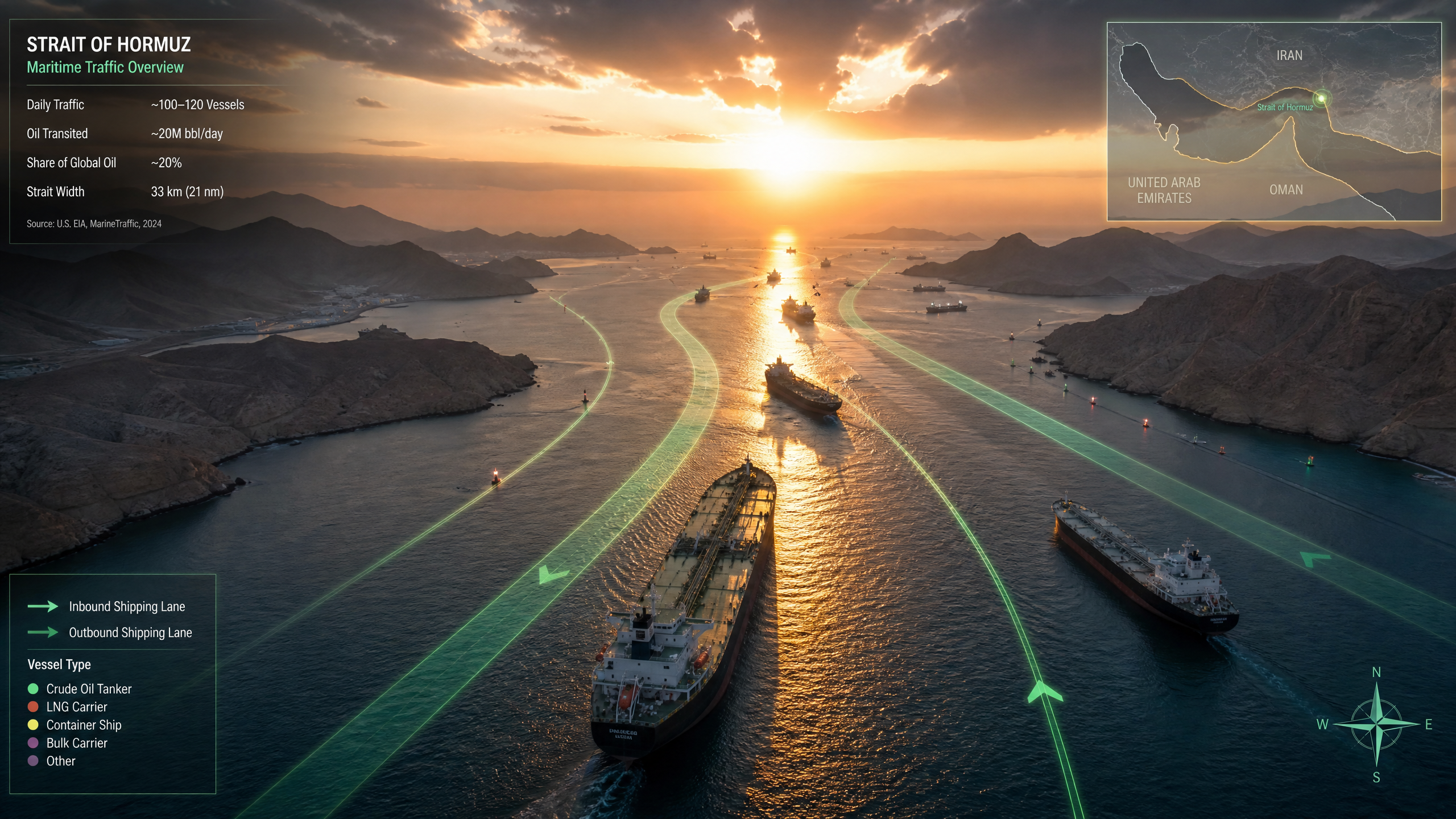
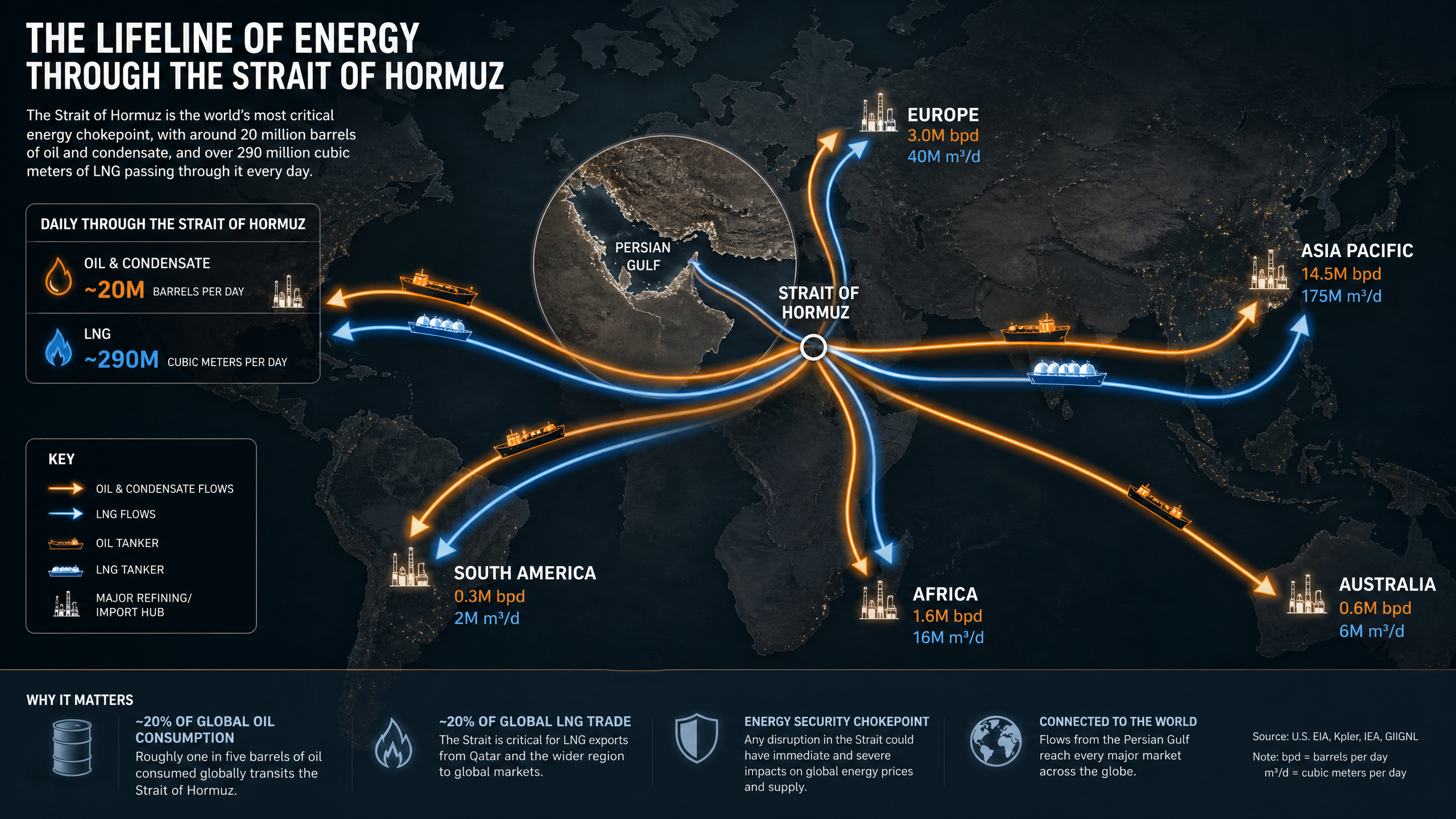
The Strait of Hormuz, a narrow waterway connecting the Persian Gulf to the open ocean, has been a flashpoint for geopolitical tensions for decades. Approximately one-fifth of the world's total oil consumption, and a significant portion of its liquefied natural gas (LNG), passes through this strategic passage daily. Its closure, or even the threat of it, has historically sent shockwaves through global energy markets, impacting prices and supply chains worldwide. Iran, with its southern coastline bordering the Strait, has long held the capacity to disrupt this vital artery, a leverage point it has frequently used in response to international sanctions or perceived aggressions.
For years, the relationship between the US and Iran has been characterized by cycles of confrontation and tentative de-escalation. From the 2015 nuclear deal (JCPOA) and its subsequent US withdrawal, to various maritime incidents and proxy conflicts in the Middle East, the region has remained a tinderbox. The economic impact of sanctions on Iran, coupled with the constant threat of military escalation in the Strait, has created an environment of instability that has hindered economic development and fostered deep mistrust.
The Path to the "Freedom Deal"
The specifics of how this "Freedom Deal" came to fruition are still emerging, but early reports suggest a complex web of negotiations, back-channel diplomacy, and perhaps a shared recognition of the immense economic and political costs of continued standoff. It is understood that the agreement addresses several key areas:
- Guaranteed Passage: A formal commitment from Iran to ensure unimpeded passage for all commercial vessels through the Strait of Hormuz, backed by international monitoring mechanisms.
- Sanctions Relief: A phased lifting of certain economic sanctions on Iran, particularly those impacting its oil and banking sectors, contingent on its adherence to the agreement.
- Regional De-escalation: Commitments from both sides to reduce military presence and activities in the immediate vicinity of the Strait, and to engage in confidence-building measures with regional partners.
- Economic Cooperation: Potential for new trade agreements and investment opportunities, particularly in energy infrastructure and technology, as Iran reintegrates into the global economy.
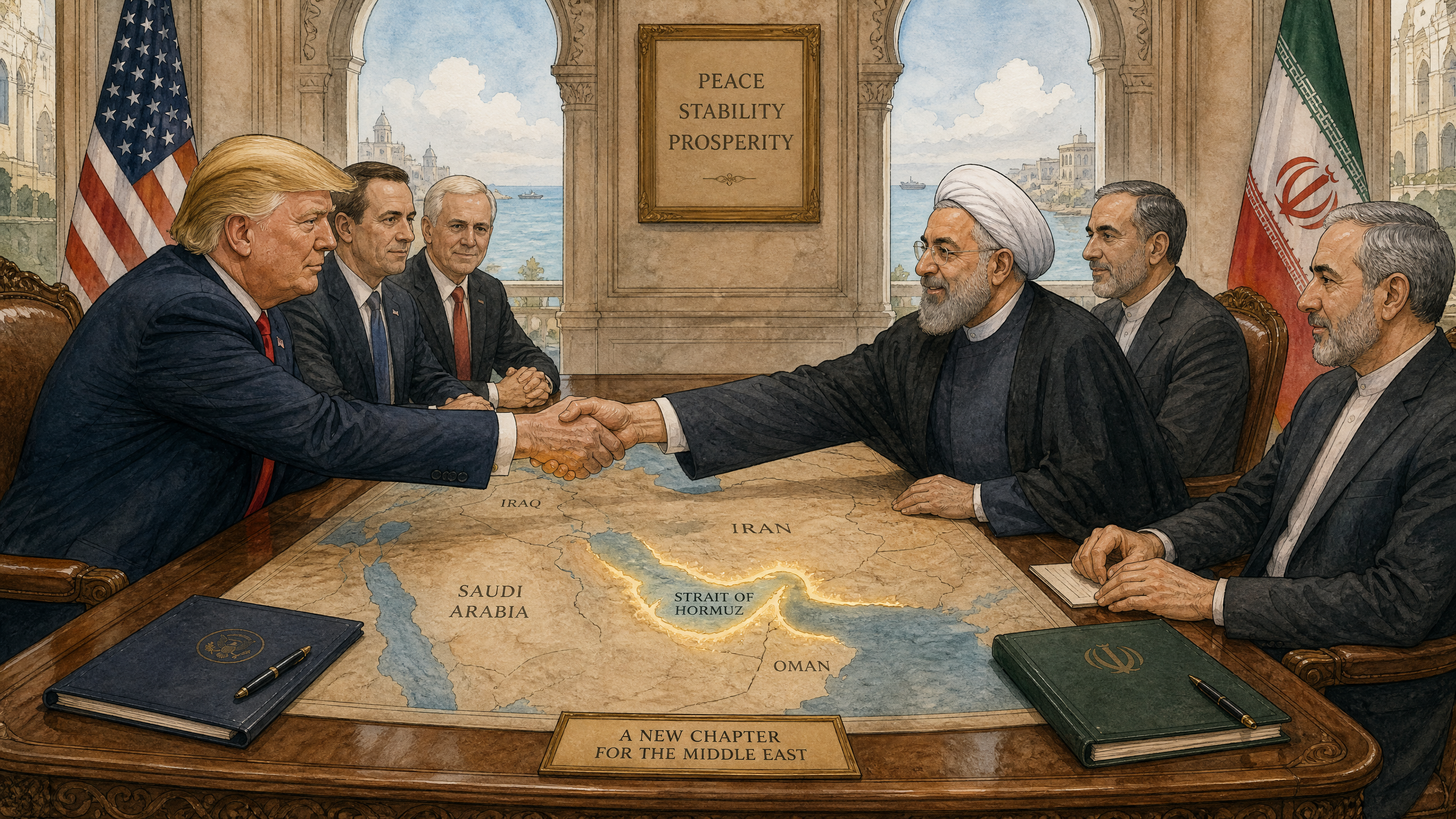
While the full details are yet to be disclosed, the very prospect of such a deal has already sent positive signals to global markets. Oil prices have seen a moderate decline, and shipping insurance premiums for vessels transiting the Persian Gulf are expected to drop significantly, reducing costs for consumers worldwide.
Reactions and Implications
The announcement has elicited a wide range of reactions globally. Allies of the United States, particularly in Europe and Asia, have largely welcomed the news, seeing it as a crucial step towards de-escalation and economic stability. For energy-dependent nations, the guaranteed flow of oil and gas through the Strait is a significant relief.
However, some regional actors, particularly Saudi Arabia and Israel, have expressed caution. Their concerns likely revolve around the potential for a resurgent Iran, and the implications for the regional balance of power. Diplomatic efforts will undoubtedly intensify in the coming weeks to reassure these allies and integrate their perspectives into the broader framework of regional security.
In the United States, the deal is being framed by the administration as a major diplomatic triumph, a testament to President Trump's unique approach to foreign policy. Critics, however, will scrutinize the terms of the agreement, particularly the extent of sanctions relief and the mechanisms for verification, to ensure that it genuinely serves long-term US interests and regional stability.
For Iran, the deal represents a much-needed economic lifeline. Years of crippling sanctions have taken a heavy toll on its economy, leading to widespread public discontent. The reopening of the Strait and the easing of sanctions could provide a significant boost, potentially leading to improved living standards and greater political stability within the country. However, hardliners within Iran may view any concessions to the US with suspicion, posing internal challenges to the agreement's implementation.
The Road Ahead: Challenges and Opportunities
The "Freedom Deal" is not without its challenges. The history of mistrust between the US and Iran runs deep, and any agreement will require sustained commitment and careful management from both sides. Verification mechanisms will be crucial to ensure compliance, and any perceived violations could quickly unravel the fragile peace.
Despite these challenges, the reopening of the Strait of Hormuz and the potential for renewed US-Iran diplomacy offer a glimmer of hope for a more stable and prosperous Middle East. It underscores the idea that even the most entrenched conflicts can find pathways to resolution through persistent negotiation and a willingness to explore new approaches.
As the ink dries on this historic document, the world watches to see if the "Freedom Deal" will indeed usher in a new era of cooperation, or if it is merely a temporary reprieve in a long-standing rivalry. The stakes, for global energy security and regional peace, could not be higher.