Trump Signals Iran War Exit, Threatens NATO Withdrawal Amid Escalating Global Oil Crisis
April 1, 2026 – In a series of pronouncements that have sent ripples of uncertainty across international markets and diplomatic circles, President Donald Trump today signaled a potential imminent exit from the ongoing conflict with Iran while simultaneously reigniting threats to withdraw the United United States from the North Atlantic Treaty Organization (NATO). These declarations come at a particularly volatile moment, as the global economy grapples with an escalating oil crisis, with Brent crude prices hovering near $100 a barrel. The confluence of these geopolitical shifts and economic pressures is creating a complex and unpredictable landscape, forcing nations worldwide to reassess their strategic alliances and energy security.
The Iran War: A Potential De-escalation?
President Trump's statements regarding the Iran conflict have been characteristically ambiguous, yet carry significant weight. Speaking to reporters, he suggested that the United States might soon conclude its involvement in the region, stating, "We could be out of Iran pretty quickly, and if we have to go back, we'll go back." This follows earlier reports of Iran seeking a ceasefire, a claim Trump acknowledged, indicating a potential diplomatic opening. The prospect of a US withdrawal, or even a significant de-escalation, has been met with a mix of relief and apprehension. While a cessation of hostilities would undoubtedly be welcomed by many, the manner and timing of such a move raise questions about regional stability and the future balance of power in the Middle East.
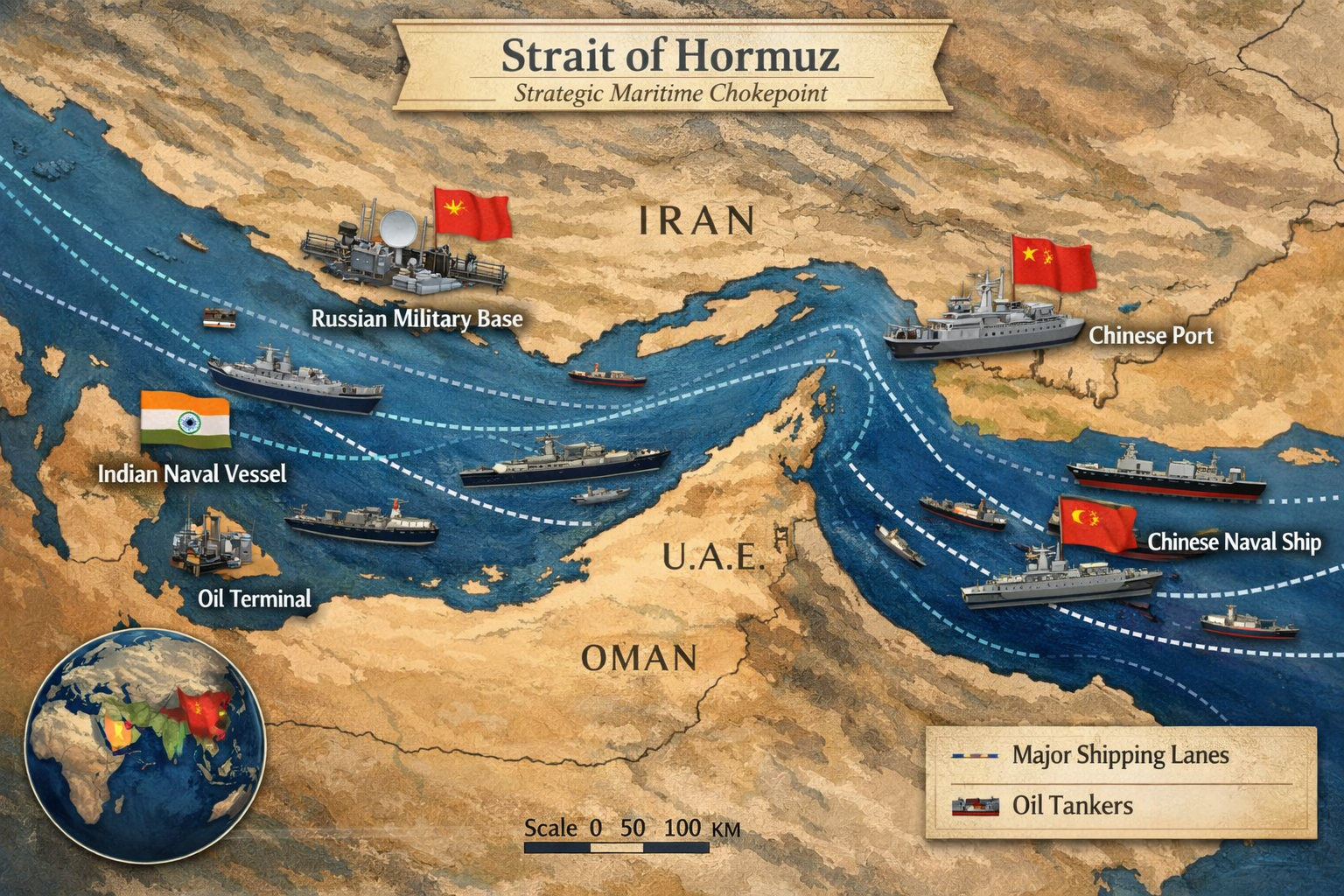
For months, the conflict in Iran has been a major destabilizing factor, not least for global energy markets. The closure of the Strait of Hormuz earlier in March, a critical chokepoint for approximately 20% of the world's oil supply, sent crude prices soaring. While recent days have seen some easing of prices on hopes of a diplomatic resolution, the underlying fragility of the supply chain remains a significant concern. Analysts from Bank of America are already projecting "mild stagflation" and $100 per barrel oil throughout 2026, directly attributing this to the Iran war's disruptions. A swift, yet carefully managed, US exit could alleviate some of these pressures, but a chaotic withdrawal could plunge the region into further turmoil, with unpredictable consequences for oil flows.
NATO Under Fire: A "Paper Tiger"?
Compounding the uncertainty surrounding Iran, President Trump also renewed his criticism of NATO, an alliance he has frequently labeled a "paper tiger." His threats to potentially withdraw the United States from the decades-old security pact have rattled allies, particularly in Europe, who rely on the collective defense guarantees enshrined in Article 5. Trump's rationale appears to be linked to the Iran conflict, suggesting that allies are not contributing sufficiently to the war effort or are not meeting their financial obligations to the alliance. "Why are we defending countries that aren't paying their fair share?" he questioned, echoing a long-standing grievance.
The implications of a US withdrawal from NATO would be monumental. It would fundamentally reshape the global security architecture, potentially emboldening adversaries and forcing European nations to rapidly rearm and reconfigure their defense strategies. Germany, among other allies, has attempted to downplay concerns, but the underlying anxiety is palpable. The timing of these threats, amidst a global energy crisis and ongoing regional conflicts, adds another layer of complexity to an already strained international system. The very foundation of post-World War II collective security is being tested, with the potential for a more fragmented and less predictable global order.

The Global Oil Crisis: A Looming Economic Threat
The backdrop to these geopolitical maneuvers is a deepening global oil crisis. The International Energy Agency (IEA) has warned that the oil supply crunch will worsen in April, with Fatih Birol, the IEA's Executive Director, highlighting the intensification of supply disruptions since the start of the Iran war. The closure of the Strait of Hormuz has been a primary driver, effectively stranding oil and LNG exports and causing Brent Crude to surge past $120 per barrel at its peak. While prices have eased slightly, the long-term outlook remains grim, with analysts raising their annual oil price forecasts significantly.
The economic ramifications are severe. Consumers worldwide are facing higher fuel prices, impacting everything from transportation to food costs. Businesses are grappling with increased operational expenses, leading to inflationary pressures and potential slowdowns in economic growth. The Los Angeles Times reported today that emergency measures are proving insufficient to solve the crisis, with increasing domestic production proving difficult. The interconnectedness of the global economy means that disruptions in one region quickly reverberate across the world, making the resolution of the Iran conflict and the stability of global trade routes paramount.

Conclusion: An Unpredictable Future
President Trump's statements on April 1, 2026, have injected a fresh wave of uncertainty into an already turbulent international environment. The prospect of a US exit from the Iran conflict, coupled with renewed threats to NATO, signals a potential recalibration of American foreign policy that could have profound and lasting consequences. These geopolitical shifts are unfolding against the backdrop of a severe global oil crisis, which threatens to destabilize economies worldwide. The coming weeks will be critical as diplomats and market participants attempt to decipher the true intent behind these pronouncements and navigate an increasingly unpredictable future. The world watches, holding its breath, as the delicate balance of power and economic stability hangs in the balance.