The Great Convergence: How AI, Energy, and Infrastructure are Reshaping 2026
As we navigate the dynamic landscape of March 2026, a profound convergence of artificial intelligence, energy innovation, and critical infrastructure development is rapidly reshaping our world. This isn't merely a collection of isolated advancements; it's a synergistic evolution where each sector fuels and transforms the others, creating unprecedented opportunities and challenges. From the bustling halls of CERAWeek to the quiet breakthroughs in optical data transmission, the threads of progress are weaving a complex tapestry that defines the contemporary technological and economic narrative.
AI's Expanding Footprint: The Brains Behind the Future

Artificial Intelligence continues its relentless march forward, not just as a tool, but as a foundational layer for future innovation. The sheer computational demands of advanced AI models are driving a revolution in data center infrastructure. This month, we've seen significant strides in addressing these demands, particularly with the development of mass-producible optical modulators designed for faster data transmission within AI data centers. This breakthrough promises to alleviate bottlenecks, enabling more efficient processing of the colossal datasets that power generative AI, machine learning, and complex simulations. Beyond the hardware, the economic implications of AI are also coming into sharper focus. Discussions around Google's AI monetization strategies highlight the ongoing shift in how digital content is valued and distributed, signaling a new era where intelligent algorithms play a central role in economic models. The pervasive influence of AI is no longer a futuristic concept but a present-day reality, deeply embedded in everything from enterprise solutions to consumer experiences.
Energy Transition and Infrastructure: Powering Progress
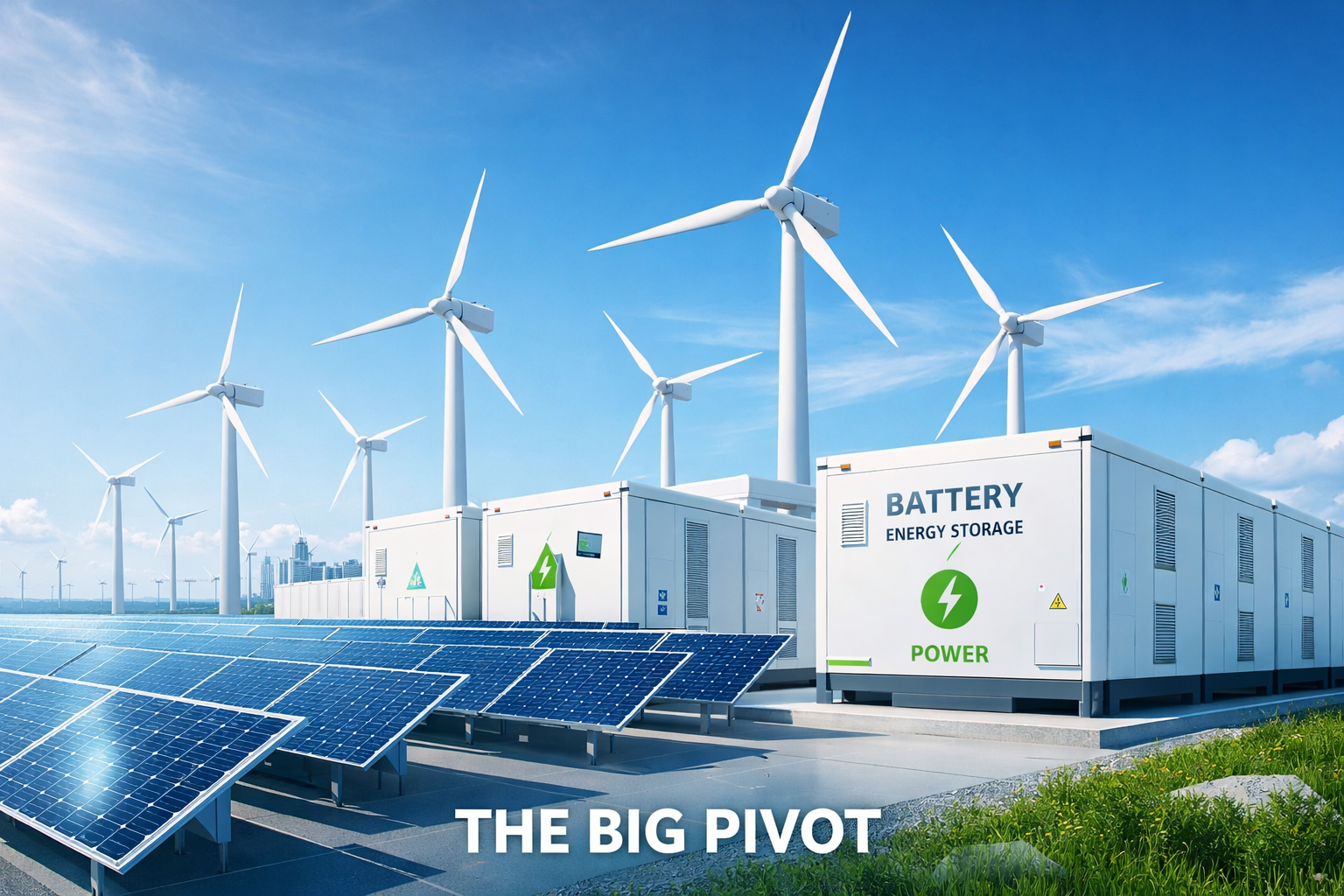
The global energy sector is undergoing a monumental transformation, driven by both environmental imperatives and technological advancements. CERAWeek 2026, a premier gathering of energy and technology leaders, has been a focal point this week, emphasizing the critical intersection of these two domains. A key theme emerging from the conference is the "Big Pivot" – a significant shift in focus from electric vehicle (EV) battery production towards energy storage solutions. This pivot is a direct response to the rising demand for grid-scale and industrial energy storage, underscoring the evolving priorities in the clean energy transition. The development of robust, efficient energy storage is paramount for stabilizing grids reliant on intermittent renewable sources like solar and wind, and it represents a critical piece of the infrastructure puzzle for a sustainable future. Simultaneously, the housing market, a bellwether for economic stability, is showing signs of a slow but steady recovery. Experts predict a gradual upward trend throughout 2026, buoyed by anticipated declines in mortgage rates and a moderate improvement in housing affordability. This positive outlook suggests a broader economic resilience, even as global supply chains continue to adapt to new geopolitical realities. The interplay between energy infrastructure, technological innovation, and economic stability forms a complex web, where advancements in one area often have ripple effects across others.
The Consumer Tech Landscape: Innovation and Adaptation

Even amidst these macro-level shifts, the consumer technology sector continues to innovate and surprise. Apple, a perennial giant in the smartphone market, has demonstrated remarkable resilience in China, posting a 23% surge in smartphone sales in the first nine weeks of 2026. This performance bucks a broader industry trend, highlighting the brand's enduring appeal and strategic market positioning. Meanwhile, Amazon is reportedly planning a new smartphone, a decade after the Fire Phone's initial foray. This move signals a renewed ambition in the competitive mobile device arena, potentially leveraging Amazon's vast ecosystem of services and AI capabilities to carve out a new niche. These developments in consumer tech are not isolated; they are deeply intertwined with the advancements in AI and infrastructure. Faster data centers and more efficient energy solutions enable more powerful and seamless mobile experiences. The rise of AI-driven features in smartphones, from advanced computational photography to personalized digital assistants, relies heavily on the underlying technological infrastructure. As devices become more intelligent, the demand for robust and efficient backend systems only intensifies.
Marketing in the Age of AI and Micro-Influencers
The ripple effects of this convergence are also profoundly impacting the marketing landscape. March 2026 marketing trends reveal a significant shift towards AI-driven search and content discovery. As search engines become more sophisticated, leveraging AI to understand user intent and deliver highly personalized results, marketers are adapting their strategies to optimize for these new paradigms. The era of generic keywords is giving way to a more nuanced approach, where context, relevance, and user experience are paramount. Furthermore, the rise of micro-influencers continues to gain momentum. In an increasingly fragmented media landscape, consumers are seeking authentic connections and trusted voices. Micro-influencers, with their smaller but highly engaged audiences, offer a powerful channel for brands to connect with niche communities. This trend, combined with AI-powered analytics, allows for hyper-targeted campaigns that resonate deeply with specific demographics, marking a departure from traditional mass-market advertising.
Global Events and Environmental Consciousness

Beyond the technological and economic spheres, global events continue to shape our collective consciousness. World Meteorological Day, observed on March 23, 2026, serves as a poignant reminder of the ongoing challenges and critical importance of climate action. Discussions around climate change and its impact on health are gaining renewed urgency, pushing for more integrated and sustainable solutions across all sectors. The energy transition, with its focus on renewables and storage, is a direct response to these environmental concerns, illustrating how various global trends are interconnected. Even geopolitical events, such as Spain's frigate Cristóbal Colón joining international naval efforts, underscore the complex and interconnected nature of our world. These events, while seemingly disparate, contribute to the broader narrative of a planet grappling with technological acceleration, environmental shifts, and evolving international relations.
Conclusion: A Future Forged in Convergence
The landscape of March 2026 is defined by a powerful convergence of forces. Artificial intelligence is not just automating tasks but fundamentally altering how we interact with information and technology. The energy sector is undergoing a strategic realignment, prioritizing storage and sustainability, which in turn demands more sophisticated infrastructure. Consumer technology continues to push boundaries, driven by these underlying advancements, while marketing adapts to new forms of discovery and influence. Even global environmental and geopolitical events are viewed through the lens of this interconnectedness. This great convergence presents both immense opportunities and significant responsibilities. As we move forward, the ability to understand, adapt to, and ethically leverage these intertwined trends will be paramount for individuals, businesses, and nations alike. The future is not a singular path but a dynamic interplay of these converging forces, shaping a world that is increasingly intelligent, interconnected, and in constant flux.