Sustainable Urbanism & Smart Cities: Blueprint for 2026 and Beyond
March 2026 finds our urban centers at a critical juncture, grappling with the dual challenges of rapid population growth and the escalating climate crisis. The response is a powerful convergence of sustainable urbanism and smart city technologies, forging a new blueprint for resilient, livable, and environmentally conscious metropolitan areas. This isn't just about efficiency; it's about reimagining the very fabric of urban life, integrating ecological principles with cutting-edge digital solutions to create cities that thrive for generations.
The Green Renaissance: Eco-Districts and Biophilic Design
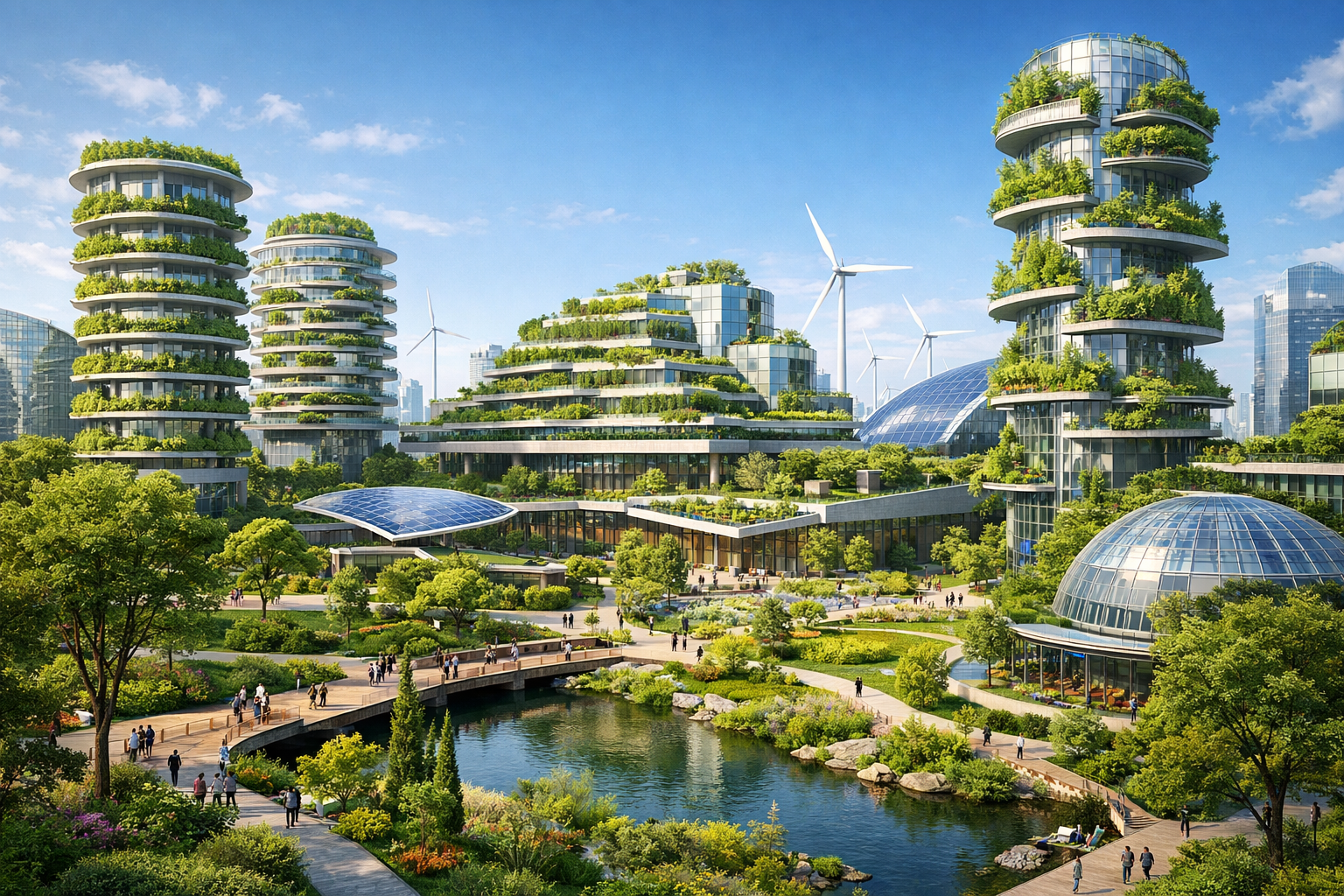
Sustainable urbanism in 2026 is characterized by a profound shift towards eco-districts and biophilic design. Cities are no longer just concrete jungles but are actively integrating nature into their core. We're seeing the proliferation of vertical farms, extensive green roofs, and urban forests that not only enhance biodiversity but also mitigate the urban heat island effect and improve air quality. Projects like Singapore's "City in a Garden" initiative continue to inspire, with new developments globally adopting similar principles.
Eco-districts, self-sufficient neighborhoods designed for minimal environmental impact, are becoming more common. These districts prioritize renewable energy sources, advanced waste management systems (including circular economy models), and water recycling. The focus is on creating closed-loop systems that drastically reduce resource consumption and waste generation. Biophilic design, which seeks to connect urban dwellers with nature through natural light, ventilation, and green spaces, is proving to have significant positive impacts on public health, well-being, and productivity.
Smart Infrastructure: The Digital Backbone of Modern Cities
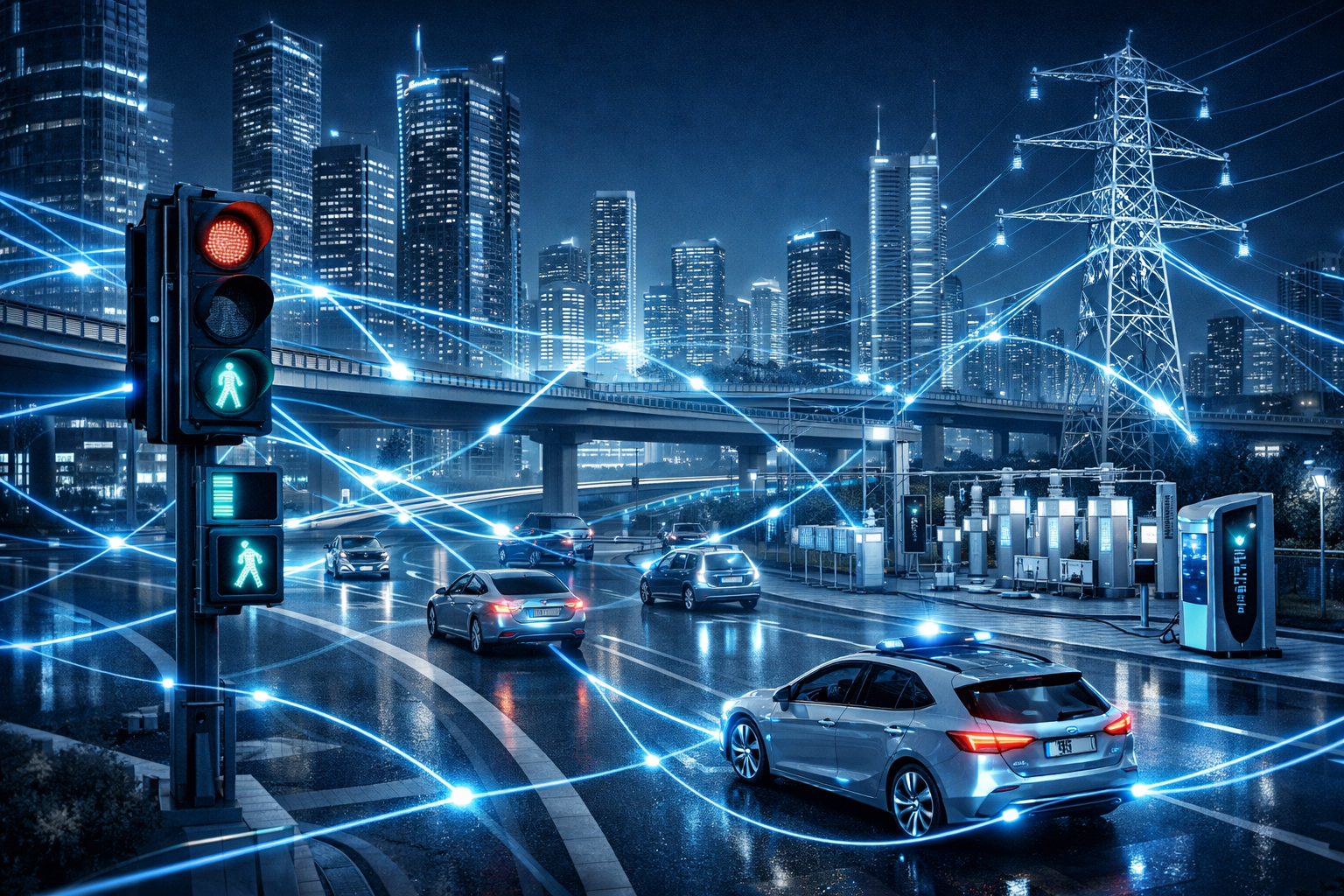
The "smart" aspect of smart cities is underpinned by an increasingly sophisticated digital infrastructure. In 2026, this extends beyond basic IoT sensors to advanced AI-driven platforms that manage everything from traffic flow and public transport to energy grids and waste collection. These systems are designed to optimize resource allocation, reduce congestion, and enhance public safety.
Intelligent transportation systems are a prime example. Real-time data from connected vehicles, smart traffic lights, and public transit networks are fed into AI algorithms that predict and alleviate congestion, optimize routes, and even manage autonomous vehicle fleets. This not only reduces commute times but also significantly lowers carbon emissions. Similarly, smart energy grids are dynamically balancing supply and demand, integrating renewable energy sources more effectively, and empowering citizens with real-time energy consumption data to foster more sustainable habits.
Citizen-Centric Innovation: Participation and Inclusivity
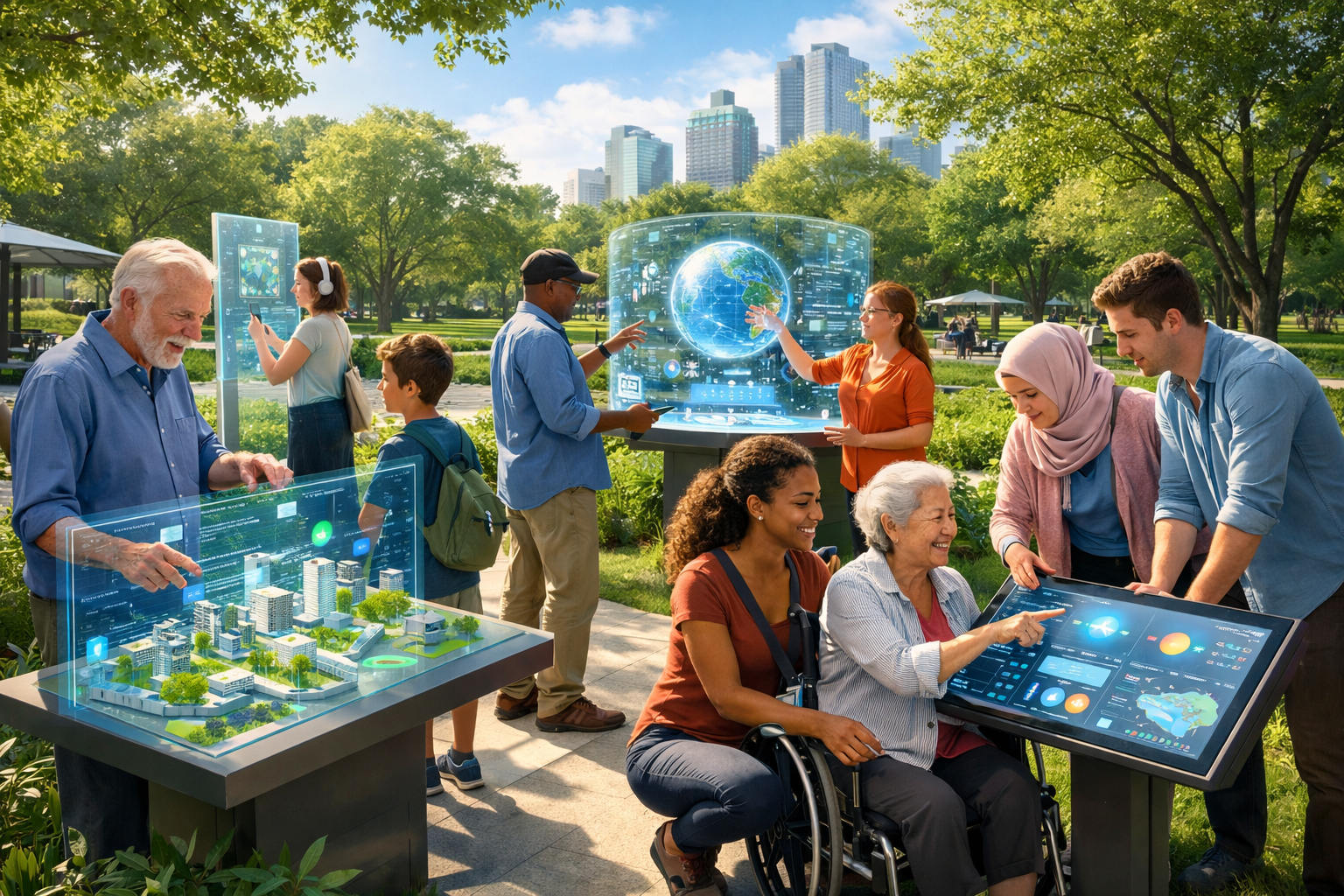
A crucial evolution in smart city development by 2026 is the emphasis on citizen-centric innovation. Early smart city initiatives sometimes overlooked the human element, leading to solutions that were technologically advanced but not necessarily aligned with residents' needs. Today, there's a strong push for participatory planning, where citizens are actively involved in co-creating their urban environments.
Digital platforms are facilitating this engagement, allowing residents to report issues, suggest improvements, and provide feedback on urban projects. Furthermore, smart cities are increasingly focusing on digital inclusion, ensuring that technology benefits all segments of the population, bridging digital divides, and providing equitable access to services. This includes accessible public Wi-Fi, digital literacy programs, and interfaces designed for diverse linguistic and physical abilities. The goal is to create cities that are not just smart, but also fair and equitable.
Resilience in the Face of Climate Change
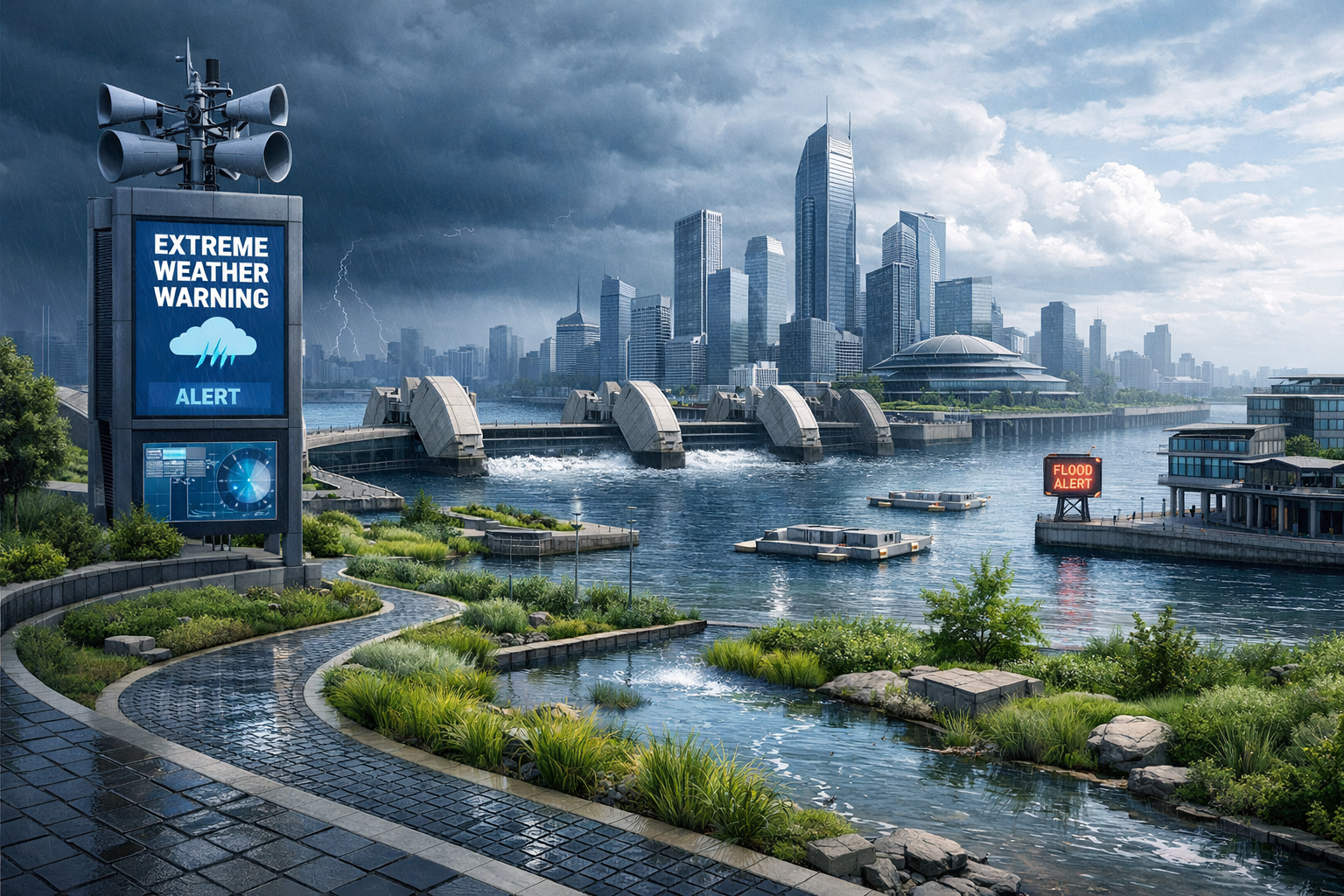
With the increasing frequency and intensity of extreme weather events, urban resilience has become a paramount concern. Smart cities are leveraging data and technology to build more robust defenses against climate change impacts. This includes early warning systems for floods and heatwaves, adaptive infrastructure that can withstand extreme conditions, and sophisticated disaster response coordination platforms.
For instance, smart water management systems are using predictive analytics to anticipate heavy rainfall and manage urban drainage, preventing flooding. Green infrastructure, such as permeable pavements and urban wetlands, is being deployed to absorb excess water and reduce runoff. These measures are not just reactive; they are proactive strategies designed to minimize disruption, protect lives, and ensure the continuity of essential urban services in an unpredictable climate future.
Challenges and the Path Forward
Despite the promising advancements, the journey towards fully sustainable and smart cities is fraught with challenges. Data privacy and security remain significant concerns, as vast amounts of personal and urban data are collected and analyzed. Robust ethical guidelines and cybersecurity measures are essential to build public trust.
Funding is another major hurdle. Implementing smart and sustainable infrastructure requires substantial investment, often necessitating innovative public-private partnerships and new financing models. Furthermore, governance and interoperability issues arise when integrating diverse technologies and systems from multiple vendors and municipal departments. Standardized protocols and collaborative frameworks are crucial for seamless operation.
Conclusion: The Intelligent, Green Metropolis of Tomorrow
March 2026 paints a vivid picture of urban transformation. The synergy between sustainable urbanism and smart city technologies is not just an aspiration but a tangible reality in many parts of the world. From eco-districts powered by renewables to AI-driven traffic management and citizen-centric digital platforms, cities are evolving into intelligent, green metropolises.
The path ahead requires continuous innovation, ethical considerations, and a steadfast commitment to inclusivity. The challenges of climate change and urbanization demand nothing less than a holistic approach that places both technology and nature at the service of human well-being. The cities we are building today, shaped by these converging trends, are not just places to live; they are living laboratories for a more sustainable, resilient, and intelligent future.