Meta and YouTube Face Historic Accountability: The Social Media Addiction Trials of 2026
In a series of groundbreaking verdicts that have reverberated through Silicon Valley and beyond, juries across the United States have found tech giants Meta (parent company of Facebook and Instagram) and Google (parent company of YouTube) liable in landmark social media addiction trials. These rulings, which have awarded millions in damages to plaintiffs, represent a pivotal moment in the ongoing struggle between corporate profit motives and public health concerns. The core allegation in these lawsuits is damning: that social media companies intentionally design their products with addictive features that contribute to severe mental health issues, particularly among young users. These verdicts signal a fundamental shift in how society views corporate responsibility and the power of technology companies to shape human behavior, potentially ushering in a new era of accountability for the tech industry.
The Anatomy of the Crisis
For years, mental health professionals, parents, and advocates have raised alarms about the psychological impact of social media on young people. Numerous studies have linked excessive social media use to increased rates of anxiety, depression, body image disorders, and cyberbullying, particularly among adolescents and young adults. The mechanisms are well-documented: infinite scroll features keep users engaged for hours without natural stopping points; algorithmic content feeds prioritize emotionally provocative material that triggers dopamine responses; push notifications create a sense of urgency and fear of missing out; and the gamification of social interactions through likes, comments, and shares creates psychological reinforcement loops similar to those found in gambling and substance abuse.
Despite mounting evidence of harm, social media companies have consistently maintained that their platforms are neutral tools for communication and expression, and that individual usage patterns are matters of personal responsibility. They have argued that parents should monitor their children's usage and that users themselves have the agency to control their screen time. This narrative has been challenged repeatedly by former employees who have come forward with internal documents showing that company executives were aware of the addictive nature of their platforms and the potential harm they could cause, yet continued to prioritize engagement metrics and advertising revenue above user well-being.
The Landmark Verdicts
The trials that concluded in March 2026 focused on individual cases where plaintiffs, often young adults or their families, presented compelling evidence of severe mental health deterioration directly attributed to social media addiction. Expert witnesses, including neuroscientists, psychologists, and former tech industry insiders, provided testimony about the psychological mechanisms behind addiction and the deliberate design choices made by social media companies to maximize engagement at the expense of user mental health. Crucially, internal company documents and former employee testimonies were presented as evidence that Meta and Google were aware of the addictive nature of their platforms and the potential harm they could cause, yet continued to prioritize engagement metrics.
One notable verdict awarded $6 million in damages, with Meta being held 70% responsible and YouTube 30%. Another case resulted in Meta being ordered to pay $375 million for misleading users about platform safety. These varying figures underscore the complexity of attributing harm and the ongoing nature of legal battles, but the consistent finding of liability across multiple cases sends an unmistakable message: courts are increasingly willing to hold tech companies accountable for the consequences of their product design choices.
The legal arguments centered on product liability, alleging that the platforms were defectively designed and failed to warn users of the risks. Plaintiffs' lawyers argued that the companies had a duty of care to their users, particularly minors, and that they breached this duty by creating environments that fostered compulsive use and psychological distress. The defense emphasized user choice, parental responsibility, and the benefits of social media for communication and community building. However, juries consistently sided with plaintiffs, effectively ruling that the design choices themselves constituted negligence or deliberate harm.
Implications for the Tech Industry
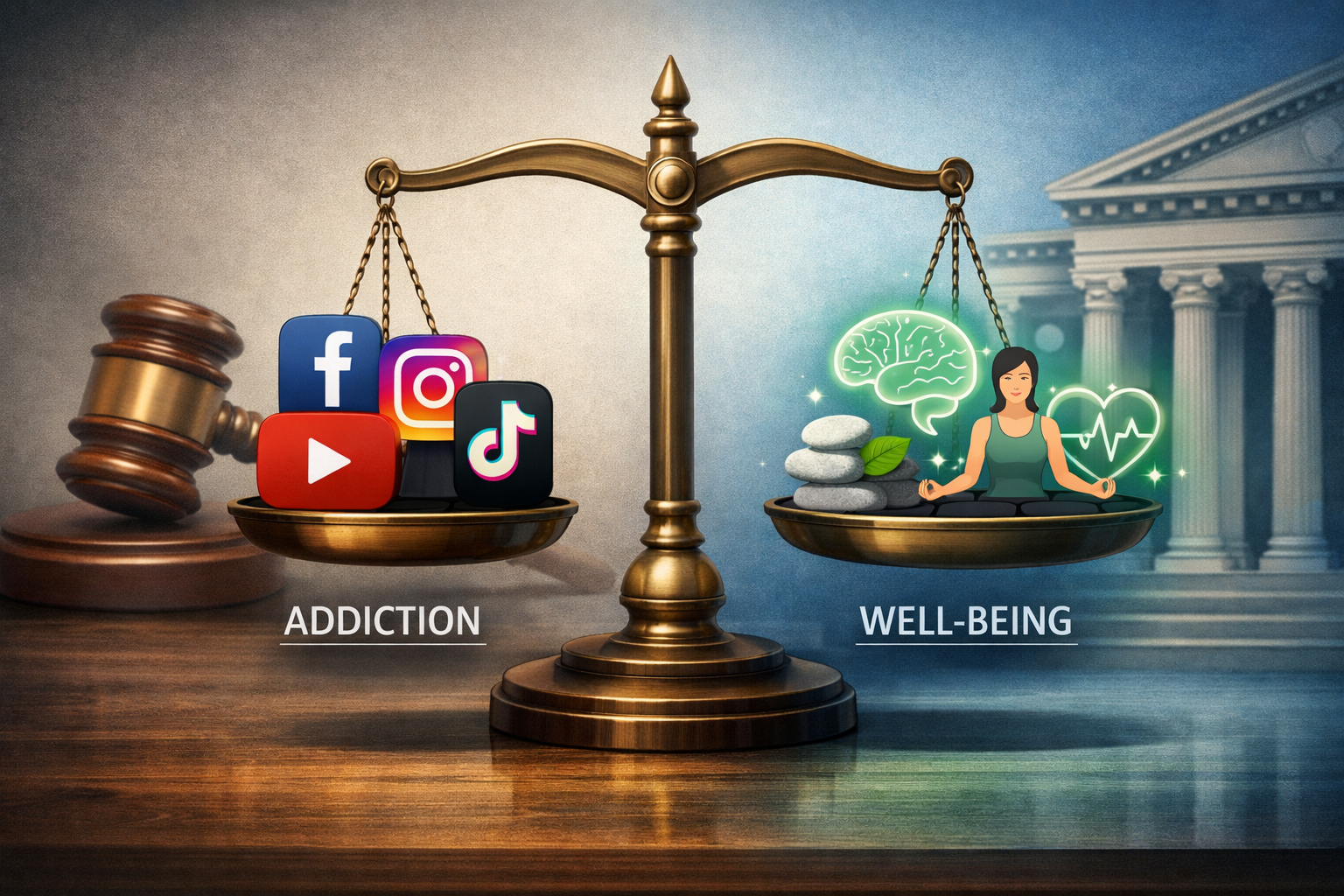
These landmark verdicts are expected to have profound and far-reaching implications for the technology industry. Firstly, they could open the floodgates for a wave of similar lawsuits. With over 2,400 claims pending in multidistrict litigation as of March 2026, the financial exposure for Meta and Google could be astronomical. This financial pressure alone could force a fundamental re-evaluation of business models that heavily rely on maximizing user screen time and engagement.
Secondly, the rulings are likely to spur increased regulatory scrutiny at both national and international levels. Governments worldwide have been grappling with how to regulate social media, and these judicial precedents could provide the impetus for new legislation aimed at protecting users, especially minors, from addictive design features. This might include mandates for age-appropriate design, stricter content moderation, and greater transparency regarding algorithmic recommendations. The European Union, which has already been proactive in tech regulation, is likely to use these verdicts as justification for even stricter regulations.
Thirdly, the verdicts could fundamentally alter how social media platforms are designed and developed. Companies may be compelled to prioritize user well-being over engagement metrics, leading to features that promote healthier usage patterns. This could include time limits, opt-out options for infinite scroll, more robust parental controls, and greater investment in mental health resources within the platforms themselves. There could also be a shift towards greater investment in mental health support and suicide prevention resources, as companies attempt to demonstrate their commitment to user well-being.
The Path Forward
The social media addiction trials of 2026 represent a critical juncture in the relationship between technology companies and society. They highlight the growing societal demand for greater corporate responsibility from tech companies and signal a potential paradigm shift in how digital platforms operate. While the legal battles are far from over, these initial verdicts have set a powerful precedent, suggesting that the era of unchecked growth and minimal accountability for social media giants may be drawing to a close.
Moving forward, the industry will face a dual challenge: adapting to new legal and regulatory landscapes while simultaneously innovating to create products that are both engaging and genuinely beneficial for user well-being. This could lead to a more ethical and sustainable model for digital platforms, where the pursuit of profit is balanced with a commitment to public health. The ultimate outcome will depend on the continued vigilance of legal systems, the responsiveness of regulators, and the willingness of tech companies to embrace a more responsible approach to design and development.
The verdicts also serve as a wake-up call to investors and stakeholders in the tech industry. The days of prioritizing growth and engagement above all else may be coming to an end. Companies that fail to adapt to this new reality face significant legal and financial risks. Conversely, those that embrace more ethical and user-centric design principles may find themselves better positioned for long-term success in an increasingly regulated environment.