Iran Grants Strategic Maritime Passage to India, China, and Russia: A Geopolitical Turning Point
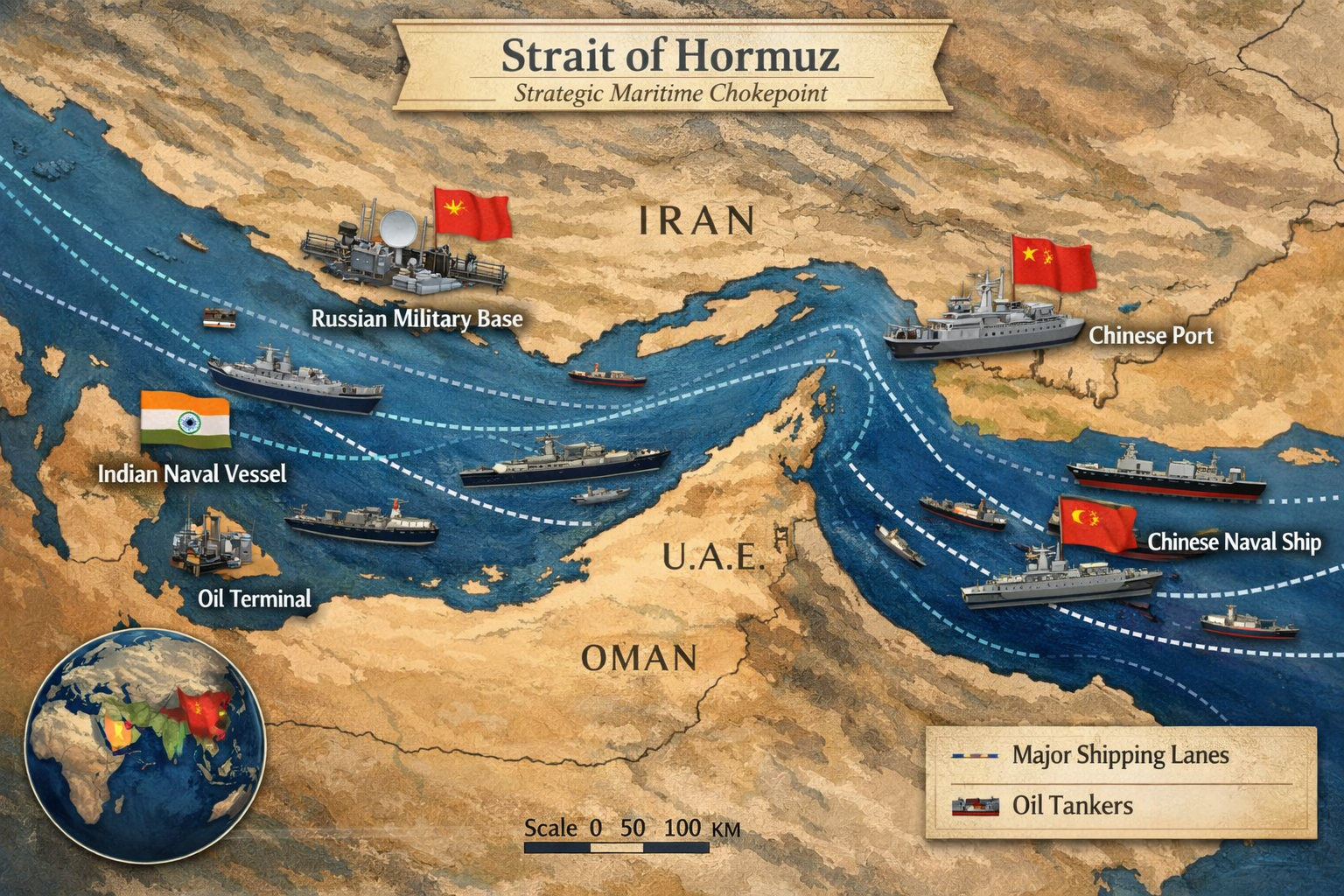
On March 27, 2026, Iran announced a groundbreaking decision that has sent shockwaves through international relations and global energy markets: the strategic maritime passage through the Strait of Hormuz has been granted to India, China, and Russia. This move represents far more than a simple trade agreement; it signals a fundamental realignment of geopolitical power and a direct challenge to Western dominance in one of the world's most critical chokepoints for global commerce. The Strait of Hormuz, through which approximately 20% of the world's oil passes daily, has long been a focal point of international tension and strategic competition. Iran's decision to extend preferential access to these three major powers is poised to reshape regional stability, energy security, and the global balance of power for years to come.
Historical Context and Strategic Importance
The Strait of Hormuz has been a contested waterway since the dawn of modern geopolitics. Located between Iran and Oman, this narrow passage connects the Persian Gulf to the Gulf of Oman and the Arabian Sea, serving as the gateway for energy supplies to global markets. For decades, the United States and its Western allies have maintained a dominant naval presence in the region, ostensibly to ensure freedom of navigation and protect international commerce. However, this Western hegemony has increasingly been viewed with suspicion by Iran and other regional powers who see it as an infringement on their sovereignty and a tool of imperial control.
Iran has repeatedly asserted its right to control the Strait, particularly during periods of heightened tensions with the West. The country has periodically threatened to close the waterway in response to sanctions or military provocations, demonstrating its strategic leverage over global energy supplies. These threats, while rarely acted upon, have underscored the vulnerability of the international energy system and the precarious nature of global commerce that depends on free passage through this vital chokepoint. The announcement on March 27, 2026, can be understood as Iran's assertion of its sovereignty and its determination to forge new alliances that better serve its national interests.
The Strategic Rationale Behind Iran's Decision
Iran's decision to grant preferential maritime passage to India, China, and Russia is rooted in a complex interplay of economic, political, and strategic considerations. From an economic perspective, these three nations represent massive markets and sources of investment that Iran desperately needs. India, as the world's most populous democracy and a major energy importer, has long sought to diversify its energy sources and reduce its dependence on traditional suppliers. China, with its insatiable appetite for energy to fuel its economic machine, views energy security as paramount to its continued development. Russia, while a major energy producer itself, seeks to strengthen its partnerships with non-Western powers to counterbalance Western sanctions and isolation.
By granting these nations preferential access through the Strait of Hormuz, Iran is offering them a tangible benefit that enhances their energy security and reduces their vulnerability to potential disruptions. For India, this means more reliable and potentially cost-effective access to Middle Eastern oil. For China, it represents another link in its vast network of strategic partnerships aimed at securing resources and markets. For Russia, it offers an opportunity to strengthen ties with rising powers and coordinate energy policies on the global stage. In return, Iran receives the economic benefits of closer partnerships, including investment, technological cooperation, and political support in international forums.
Politically, this move strengthens Iran's position on the global stage by aligning it more closely with a rising coalition of non-Western powers. China and Russia have been increasingly vocal in their criticism of the Western-dominated international order, advocating for a multipolar world where power is distributed among several major states. India, while maintaining its strategic autonomy and non-aligned posture, has also sought to diversify its partnerships and reduce its reliance on any single power bloc. By granting these nations special access to the Strait, Iran is effectively positioning itself as a key player in this emerging multipolar system, enhancing its diplomatic leverage and providing a counterweight to Western pressures and sanctions.
Global Implications and Energy Security Concerns
The immediate impact of Iran's decision on global energy markets and security is likely to be significant. For the three beneficiary nations, the agreement promises enhanced energy security and potentially more favorable trade terms. India's energy sector could see increased stability and potentially lower costs for Middle Eastern crude oil. China's vast energy demands could be better met through more reliable supply chains. Russia could leverage this arrangement to coordinate energy policies and potentially influence global energy prices more effectively in concert with its allies.
However, for Western nations and their allies, Iran's move raises serious concerns about potential disruptions to global energy supplies and the stability of international commerce. Any shift in control or influence over the Strait of Hormuz could lead to higher shipping costs, increased insurance premiums, and ultimately, elevated energy prices globally. This could exacerbate existing inflationary pressures and create new economic challenges for developed nations already struggling with post-pandemic economic adjustments. Furthermore, the deepening military and strategic ties between Iran, Russia, and China in such a critical region could be perceived as a threat to international maritime security and the principle of freedom of navigation that underpins global commerce.
The Broader Geopolitical Landscape
This development must be understood within the context of a broader shift in global geopolitics. The past decade has witnessed a gradual erosion of Western dominance and the rise of alternative power centers. The United States, while still the world's largest economy and military power, faces unprecedented challenges to its global leadership. China has emerged as a major economic power with growing military capabilities. Russia, despite economic sanctions, continues to exert significant influence through its energy resources and military prowess. India has become a major player in global affairs, leveraging its demographic dividend and economic potential. These shifts have created a more complex and contested international environment where traditional alliances are being questioned and new partnerships are being forged.
Iran's strategic play in the Strait of Hormuz is a clear indication of its intent to leverage its geographical position and energy resources to reshape regional and global power dynamics. The country has long chafed under Western sanctions and restrictions, viewing them as unjust impositions on its sovereignty. By aligning itself with China, Russia, and India, Iran is not only seeking economic benefits but also attempting to build a coalition that can collectively resist Western pressure and assert its interests on the global stage.
Conclusion
Iran's decision to grant strategic maritime passage through the Strait of Hormuz to India, China, and Russia represents a watershed moment in contemporary geopolitics. It underscores the shifting sands of global power, the increasing interconnectedness of economic and security interests, and the ongoing redefinition of international alliances. While the full ramifications of this move will unfold over time, it is clear that the world is witnessing a significant recalibration of influence in one of its most vital strategic waterways. The response from Western powers will be crucial in determining how this new arrangement affects global energy security, international commerce, and the balance of power in the years to come. Nations worldwide will be closely watching to see how this new alignment impacts global trade, energy security, and the delicate balance of power that has underpinned the international system for decades.