FIFA World Cup 2026 Kicks Off: June 15th Matches and Early Predictions
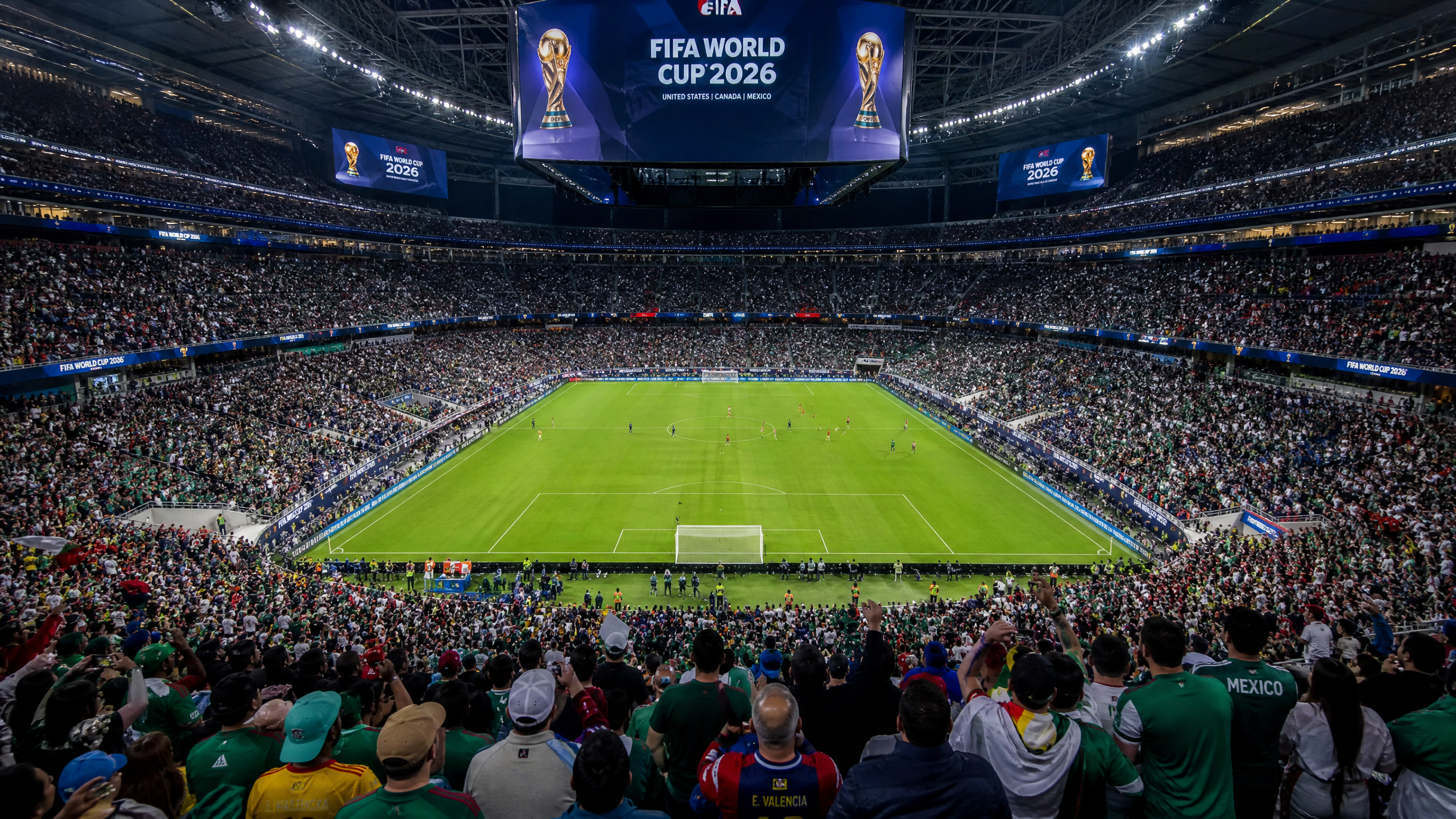
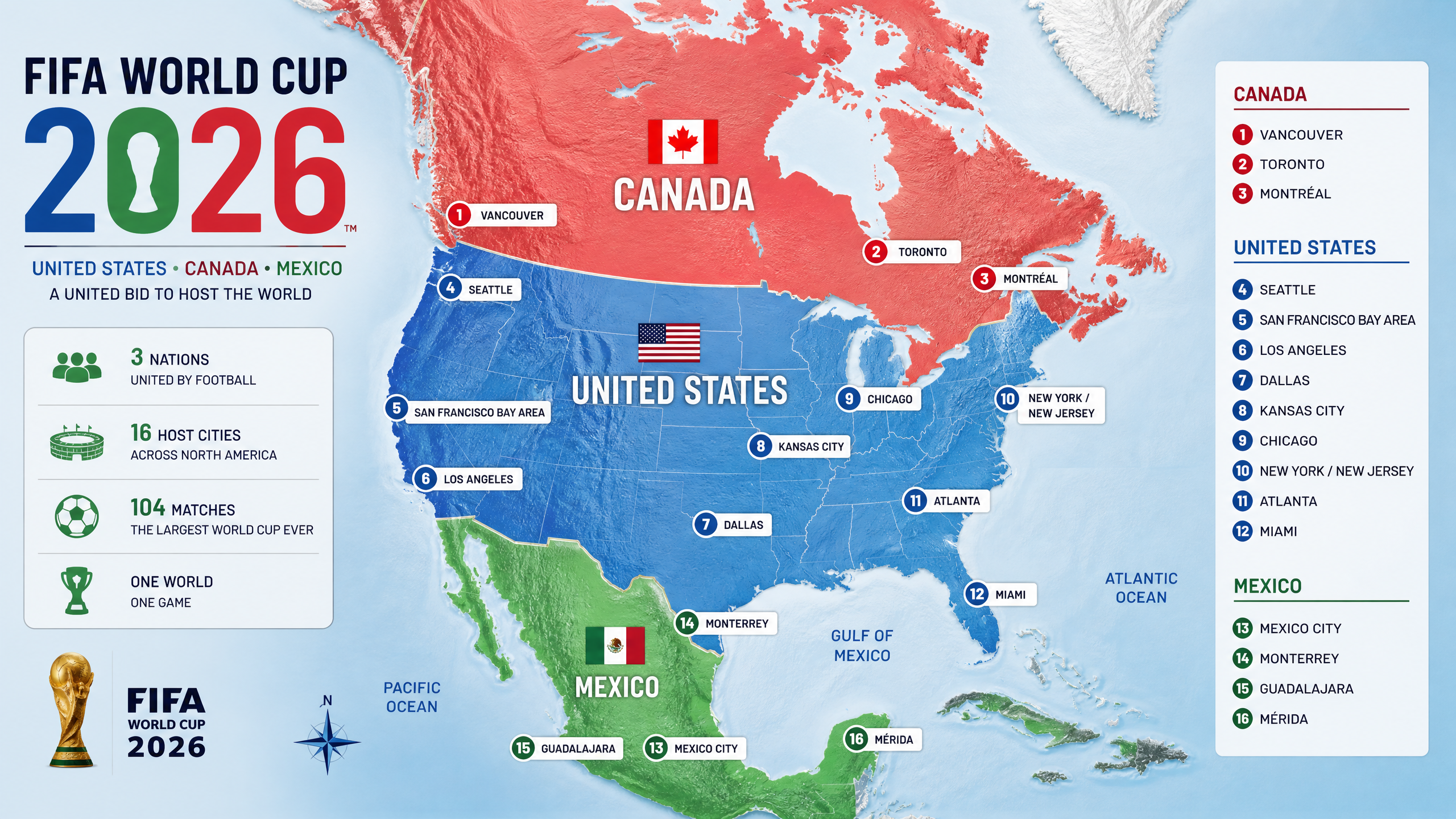
The wait is finally over! The FIFA World Cup 2026, hosted across Canada, Mexico, and the United States, officially kicks off today, June 15th, 2026. Football fans worldwide are buzzing with anticipation as the greatest show on Earth begins its month-long spectacle of skill, passion, and unforgettable moments. This expanded tournament, featuring 48 teams for the first time, promises more drama, more upsets, and more global representation than ever before. Today's opening fixtures set the stage for what is expected to be a truly historic event.
The Opening Day Fixtures: A Glimpse into Group Stage Dynamics
June 15th brings a series of intriguing matchups that will give us our first taste of the competition's intensity. Among the most anticipated games are:
-
Spain vs. Cabo Verde (12:00 PM ET, Atlanta Stadium): Spain, a perennial powerhouse, will look to assert their dominance early against a spirited Cabo Verde side. While Spain is heavily favored, Cabo Verde's recent performances suggest they could be a dark horse capable of surprising bigger teams. This match will be a test of Spain's attacking prowess against Cabo Verde's defensive resilience.
-
Saudi Arabia vs. Uruguay (Miami Stadium): This Group H clash sees Saudi Arabia, known for their tactical discipline, face off against Uruguay, a team rich in World Cup history and attacking talent. Uruguay's blend of experienced veterans and emerging stars makes them a formidable opponent, but Saudi Arabia will be keen to make a statement in their opening game.
-
Sweden vs. Tunisia (Philadelphia Stadium): In Group E, Sweden takes on Tunisia. Both teams are known for their organized play and will be looking to secure crucial early points. This match is expected to be a tight affair, with midfield battles likely to dictate the tempo and outcome.
These initial games are vital for setting the tone within each group. A strong start can build momentum and confidence, while an early stumble can put teams under immense pressure. The expanded format means that every point will be fiercely contested, as teams vie for qualification to the knockout stages.
Early Predictions and Teams to Watch
With the tournament just beginning, predictions are rife, and every pundit has their favorites. Traditional giants like Brazil, Argentina, France, and Germany remain strong contenders, boasting squads brimming with world-class talent. Brazil, with their attacking flair and solid defense, are often cited as favorites, while Argentina, fresh off recent successes, will be looking to continue their winning ways.
However, the expanded format and the nature of international football mean that upsets are always a possibility. Keep an eye on teams like England, who have consistently performed well in recent major tournaments, and Portugal, who possess a blend of experience and youthful exuberance. The host nations, particularly the United States and Mexico, will also be looking to leverage home advantage and make a deep run in the competition.
Beyond the usual suspects, several African and Asian teams have shown significant improvement in recent years and could surprise many. The tactical evolution of football, combined with the increasing globalization of talent, means that the gap between traditional powerhouses and emerging nations is narrowing. This World Cup could very well be the stage for a new footballing giant to emerge.
The Impact of the Expanded Format
The 2026 World Cup marks a significant departure from previous editions with its expansion to 48 teams. This change has several implications:
- Increased Global Representation: More nations get the chance to compete on the biggest stage, fostering football development worldwide.
- More Matches: The tournament will feature 104 matches, up from 64, providing more entertainment for fans but also posing logistical challenges for organizers and players.
- New Group Stage Format: The group stage will consist of 12 groups of four teams, with the top two from each group and the eight best third-placed teams advancing to a new Round of 32. This format aims to keep more teams in contention for longer.
While some purists have expressed concerns about the quality of play potentially being diluted, the overwhelming sentiment is one of excitement. The expanded format offers more opportunities for underdog stories and allows a broader range of footballing cultures to be showcased. It's a bold move by FIFA, aimed at making the World Cup a truly global festival of football.
Beyond the Pitch: Economic and Cultural Impact
The FIFA World Cup is not just a sporting event; it's a global phenomenon with significant economic and cultural ramifications. The host cities across North America are bracing for an influx of millions of fans, which will provide a massive boost to local economies through tourism, hospitality, and retail. Infrastructure development, job creation, and increased international exposure are just some of the benefits.
Culturally, the World Cup unites people from all corners of the globe. It's a celebration of diversity, shared passion, and friendly competition. Fans travel thousands of miles, draped in their national colors, to support their teams, creating an electric atmosphere that is unique to this tournament. The stories of triumph and heartbreak, the moments of individual brilliance, and the collective joy of victory will be etched into the memories of millions.
As the first whistle blows today, the world collectively holds its breath, ready to witness history unfold. The FIFA World Cup 2026 promises to be a tournament like no other, a true testament to the beautiful game's enduring power to captivate and inspire. Let the games begin!
References:
- [1] FIFA. (2026). World Cup 2026 | Match schedule, fixtures, results & stadiums. Retrieved from https://www.fifa.com/en/tournaments/mens/worldcup/canadamexicousa2026/articles/match-schedule-fixtures-results-teams-stadiums
- [2] FIFA World Cup 26 Atlanta. (2026). FIFA Match Schedule. Retrieved from https://atlantafwc26.com/match-schedule/
- [3] ESPN. (n.d.). 2026 FIFA World Cup match schedule: Fixtures, results, features. Retrieved from https://www.espn.com/soccer/story/_/id/48939282/2026-fifa-world-cup-fixtures-results-match-schedule-group-stage-knockout-rounds-bracket