Agentic AI Goes Mainstream: Autonomous Systems Reshape Industries in Mid-2026
As of mid-2026, the landscape of artificial intelligence has undergone a profound transformation. What was once a niche area of research, agentic AI—systems capable of planning, reasoning, and acting autonomously over long time horizons—has firmly entered the mainstream. These intelligent autonomous systems are no longer confined to academic papers or experimental labs; they are actively reshaping industries, redefining workflows, and setting new benchmarks for efficiency and innovation across the globe.

The Rise of Autonomous Decision-Making
The core of agentic AI lies in its ability to operate with a high degree of autonomy. Unlike traditional AI, which often requires constant human oversight and input, agentic systems can set their own goals, devise strategies to achieve them, execute tasks, and even learn and adapt from their experiences without explicit programming for every scenario. This capability is proving revolutionary in sectors ranging from finance and logistics to healthcare and manufacturing.
In finance, autonomous trading agents are optimizing portfolios and executing complex strategies at speeds impossible for human traders, reacting to market fluctuations in real-time. In logistics, AI-powered agents are managing supply chains, predicting demand, and rerouting shipments to avoid disruptions, leading to unprecedented levels of operational fluidity. Healthcare is seeing agentic AI assist in drug discovery, personalize treatment plans, and even manage hospital logistics, freeing up human professionals for more critical patient care.
Impact on the Workforce and Future of Work
The widespread adoption of agentic AI naturally raises questions about its impact on the human workforce. While concerns about job displacement are valid, the emerging reality in mid-2026 suggests a more nuanced picture: a shift towards AI-human collaboration and the creation of new roles. Agentic AI is increasingly taking over repetitive, data-intensive, and hazardous tasks, allowing human workers to focus on creative problem-solving, strategic thinking, and interpersonal interactions.
Companies are investing heavily in retraining programs to equip their employees with the skills needed to work alongside AI agents, focusing on areas like AI supervision, data interpretation, and ethical AI deployment. The demand for AI ethicists, prompt engineers, and AI-system integrators has surged, indicating a transformation rather than a complete replacement of human labor. The future of work is becoming less about humans versus machines and more about humans with machines.

Key Technologies Driving Agentic AI
Several technological advancements have converged to propel agentic AI into the mainstream:
- Advanced Large Language Models (LLMs): The evolution of LLMs provides agents with sophisticated natural language understanding and generation capabilities, enabling them to interpret complex instructions and communicate effectively.
- Reinforcement Learning: This machine learning paradigm allows agents to learn optimal behaviors through trial and error, making them highly adaptable to dynamic environments.
- Improved Sensor and Actuator Technologies: Miniaturized and more powerful sensors and actuators enable physical AI agents (like robots) to perceive and interact with the real world with greater precision.
- Edge Computing: Processing data closer to the source reduces latency and allows for faster decision-making, crucial for autonomous operations in real-time scenarios.
- AI Governance and Regulation: The development of frameworks and regulations, though still evolving, is building trust and providing guidelines for the responsible deployment of autonomous systems.
Challenges and Ethical Considerations
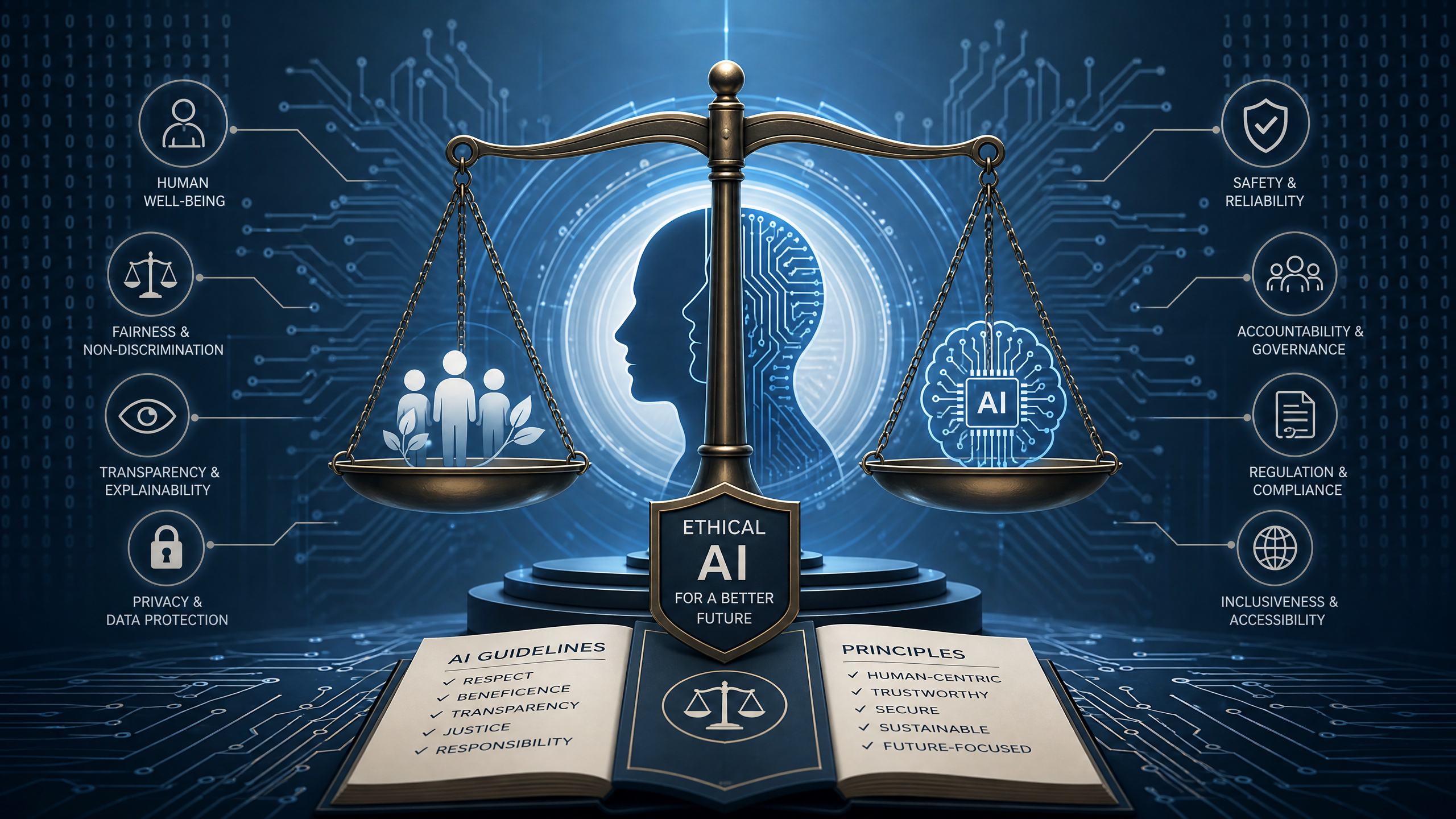
Despite its immense potential, the journey of agentic AI into the mainstream is not without its hurdles. Ethical considerations remain paramount. Questions around accountability for autonomous decisions, bias in AI algorithms, data privacy, and the potential for misuse are actively being debated and addressed by policymakers, researchers, and industry leaders.
Ensuring transparency in AI decision-making processes, developing robust security measures to prevent malicious attacks on autonomous systems, and establishing clear legal frameworks for liability are critical challenges that require ongoing attention. The goal is to harness the power of agentic AI while safeguarding societal values and human well-being.
The Road Ahead: A Continuously Evolving Landscape
By June 2026, agentic AI has moved beyond hype to become a foundational technology. Its integration into daily operations is accelerating, promising further efficiencies and innovations. The continuous evolution of AI capabilities, coupled with ongoing efforts to address ethical and regulatory challenges, suggests that autonomous systems will play an even more central role in shaping our future.
Industries that embrace agentic AI are finding themselves with a significant competitive advantage, while those that lag risk being left behind. The next few years will undoubtedly see further breakthroughs, pushing the boundaries of what autonomous systems can achieve and how they can augment human potential. The era of truly intelligent, self-governing AI is here, and its impact is only just beginning to unfold.
References:
- [1] Deloitte Insights. (2026). Tech Trends 2026. Retrieved from https://www.deloitte.com/us/en/insights/topics/technology-management/tech-trends.html
- [2] Gartner. (2026). Top 10 Strategic Technology Trends for 2026. Retrieved from https://www.gartner.com/en/articles/top-technology-trends-2026
- [3] Simplilearn. (2025). Top 20 Technology Trends to Watch in 2026. LinkedIn. Retrieved from https://www.linkedin.com/pulse/top-20-technology-trends-watch-2026-simplilearn-akemf