AI Ethics and the Future of AI Video Generation: Trends in June 2026
As of June 24, 2026, the landscape of Artificial Intelligence continues to evolve at an unprecedented pace, bringing forth both transformative opportunities and complex ethical challenges. Two areas at the forefront of this evolution are AI ethics and the burgeoning field of AI video generation. The discussions surrounding responsible AI development and deployment are more critical than ever, as the capabilities of AI systems, particularly in content creation, become increasingly sophisticated.
AI ethics, a multidisciplinary field, focuses on ensuring that AI systems are developed and used in a manner that is fair, transparent, accountable, and beneficial to society. In 2026, the conversation has moved beyond theoretical frameworks to practical implementation and regulatory enforcement. Governments and international bodies are actively working on comprehensive AI regulations, with many countries having already proposed over 1000 AI-related policy initiatives and legal frameworks. The focus for 2026 is shifting towards operationalizing these regulations, emphasizing AI literacy, understanding system limits, and considering the social context of AI deployment.
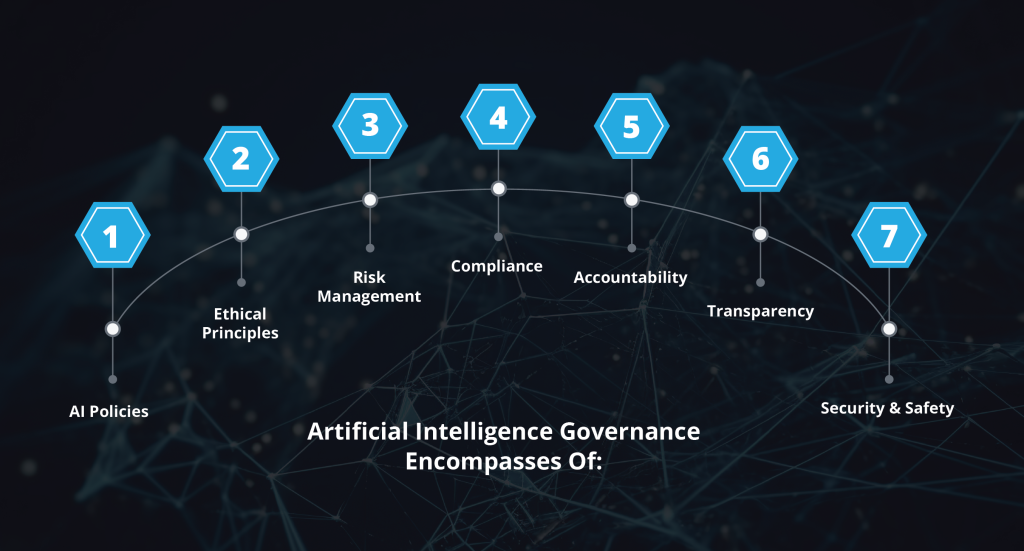 The core pillars of Artificial Intelligence Governance in 2026.
The core principles of AI governance revolve around ethical deployment, risk management, compliance, accountability, transparency, security, and safety. These elements are crucial for building public trust and ensuring that AI technologies serve humanity positively. The debates in June 2026 often center on issues such as data privacy, algorithmic bias, the impact of AI on employment, and the potential for misuse of powerful AI tools. The legal and ethical implications of generative AI, especially in areas like deepfakes and synthetic media, are particularly contentious.
One of the most rapidly advancing and impactful applications of generative AI is video generation. AI video marketing is experiencing exponential growth, with the market for generative AI in video creation projected to reach significant figures by 2030. The market size is expected to grow from $0.47 billion in 2026 to $0.98 billion by 2030, driven by several factors, including faster video production timelines, cost-effective content creation at scale, enhanced personalization for different audiences, and improved consistency in branding and messaging.
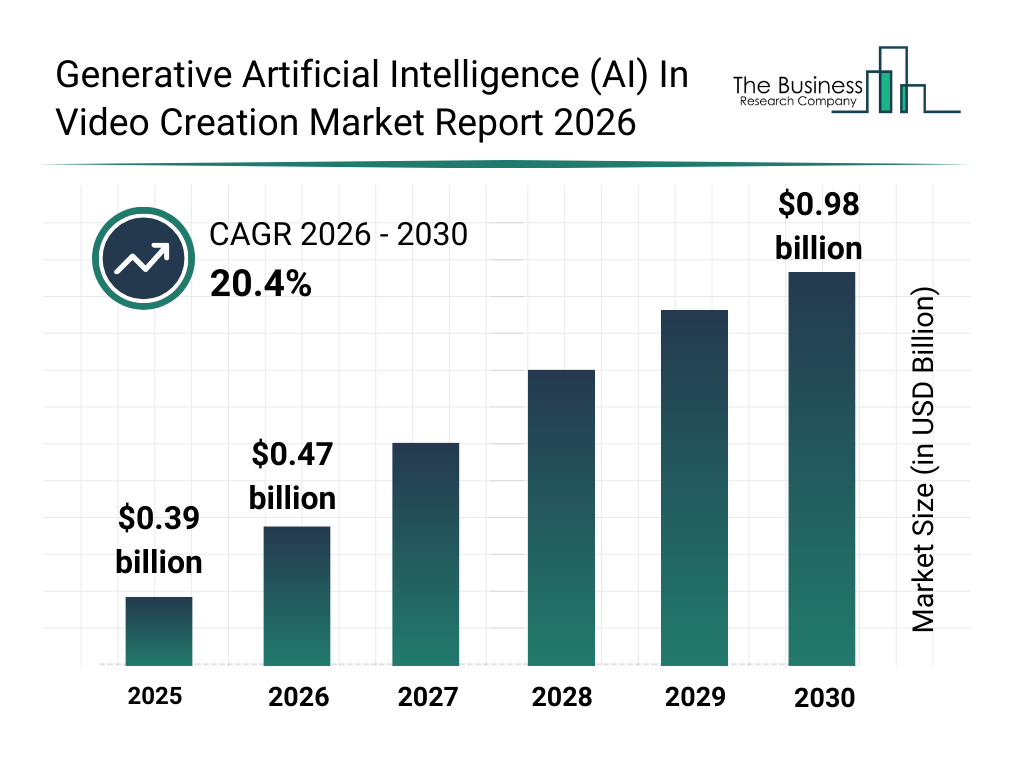 Market projections for generative AI in video creation through 2030.
The implications of AI video generation are profound, particularly for media and marketing industries. Brands are increasingly leveraging AI tools to create high-impact video content, from personalized advertisements to engaging social media campaigns. The technology allows for rapid iteration and customization, enabling marketers to tailor messages to specific demographics with unprecedented precision. However, this advancement also raises ethical questions regarding authenticity, intellectual property, and the potential for misinformation. The ability to generate realistic, yet entirely fabricated, video content necessitates robust ethical guidelines and technological safeguards.
Looking ahead, the trends in AI video generation for June 2026 indicate a continued focus on improving realism, reducing production costs, and expanding accessibility. Startups in this space are innovating rapidly, offering tools that simplify complex video production processes and make high-quality video creation available to a wider range of users. The integration of AI with other emerging technologies, such as virtual and augmented reality, promises even more immersive and interactive video experiences.
 Leading AI video generation tools utilized by marketing professionals in 2026.
In conclusion, June 24, 2026, finds us at a critical juncture in the development of AI. The twin forces of AI ethics and AI video generation are shaping our digital future. While the potential benefits of AI-powered video creation are immense, it is imperative that these technologies are developed and deployed with a strong ethical compass. The ongoing efforts to establish comprehensive regulatory frameworks and foster AI literacy will be crucial in navigating the complexities and ensuring that AI serves as a force for good in the years to come.