The Lake Lucerne Summit: A Historic Breakthrough in US-Iran Relations
June 22, 2026 – In a move that has stunned global observers and sent a wave of cautious optimism through international markets, high-level delegations from the United States and the Islamic Republic of Iran have convened at a secluded resort on the shores of Lake Lucerne, Switzerland. This summit, occurring today, June 22, 2026, represents the most significant diplomatic engagement between the two adversaries in decades, aimed at resolving the escalating conflict that has brought the Middle East to the brink of total war and crippled global energy supplies.
A Diplomatic Pivot Amidst Regional Chaos
The road to Lucerne has been paved with extreme volatility. Following a series of devastating military exchanges earlier this year—including targeted U.S. strikes on Iranian nuclear facilities and retaliatory Iranian missile barrages against regional targets—the international community feared an uncontrollable escalation. However, the sheer economic and humanitarian cost of the conflict, particularly the disruption of the Strait of Hormuz, appears to have forced both Washington and Tehran to the negotiating table.
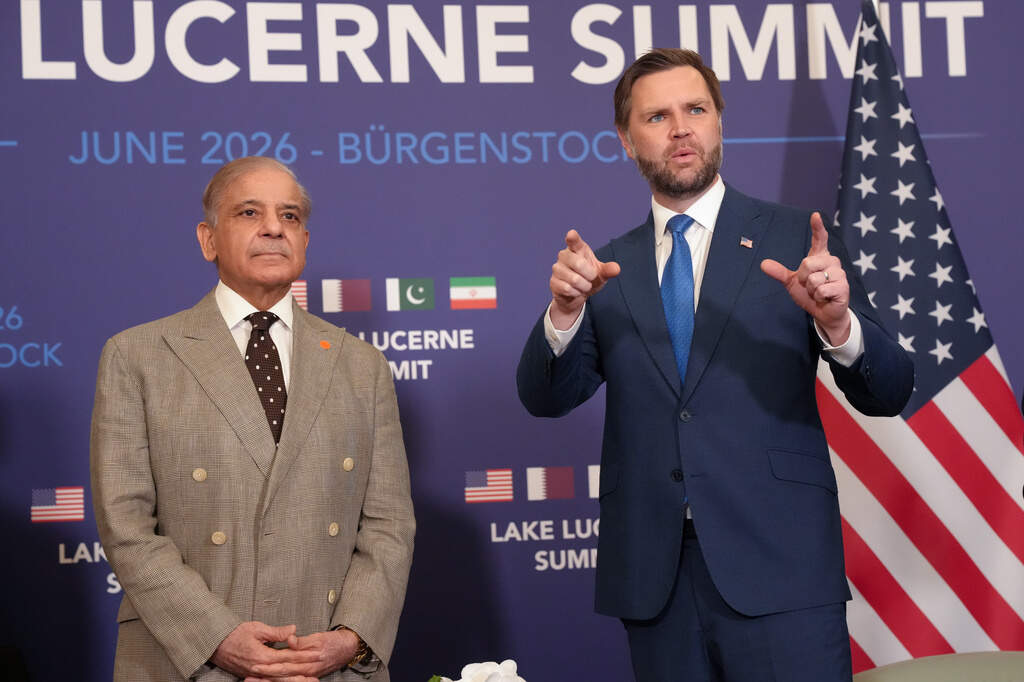
U.S. Vice President J.D. Vance, leading the American delegation, arrived in Switzerland yesterday with a clear mandate from the White House to pursue a "sustainable and verifiable" peace. Iranian officials, including high-ranking representatives from the Foreign Ministry, have signaled a willingness to discuss a new framework for regional security, provided that economic sanctions are substantially lifted.
The Core Objectives: Nuclear De-escalation and Maritime Security
The agenda for the Lake Lucerne Summit is both ambitious and fraught with complexity. At the forefront is the restoration of a nuclear monitoring regime. After the collapse of previous agreements, Iran's nuclear program had advanced to a point that the U.S. deemed an "existential threat" to regional stability. Negotiators are now working on a "Freeze-for-Freeze" proposal: Iran would halt enrichment beyond 3.67% and grant IAEA inspectors unfettered access, in exchange for a phased removal of energy and banking sanctions.
Equally critical is the reopening of the Strait of Hormuz. The ongoing naval standoff has reduced global oil flow by nearly 20%, leading to the energy crisis that has dominated headlines for months. Today's discussions include the establishment of a "Joint Maritime Security Corridor," a proposal that would see a neutral international force—possibly under the auspices of the United Nations or a coalition of non-aligned nations—guaranteeing the safe passage of commercial vessels through the strait.
International Reactions and Market Impact
The global response to the summit has been overwhelmingly positive, though tempered by the memory of past diplomatic failures. European leaders, who have long advocated for a diplomatic solution, have hailed the meeting as a "triumph of reason over rhetoric." China and Russia, both of whom maintain significant interests in the region, have expressed support for the talks, emphasizing the need for a "multipolar security architecture" in the Middle East.
Financial markets have reacted with a sharp rally. Brent crude prices, which had spiked to historic highs, saw a significant intraday drop as news of the summit's commencement broke. Global equities, particularly in the transportation and manufacturing sectors, have also trended upward, reflecting the market's hope that a resolution to the energy crisis is finally within reach.
Challenges and the Path Forward
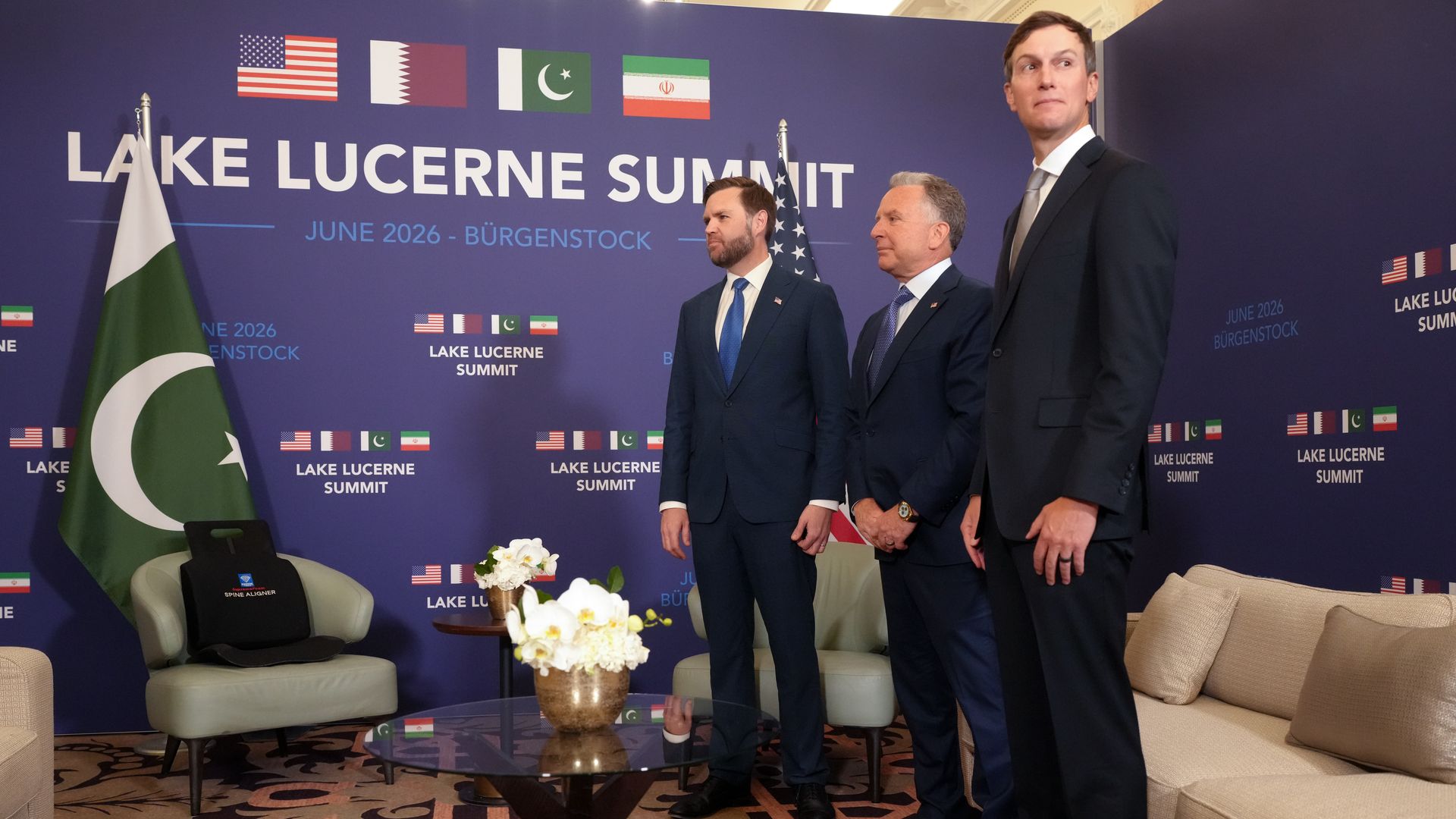
Despite the hopeful atmosphere, significant hurdles remain. Deep-seated mistrust between the two nations continues to shadow the negotiations. Hardliners in both Washington and Tehran have already voiced opposition to any "appeasement," and the details of verification and enforcement mechanisms are expected to be the subject of intense debate in the coming days.
Furthermore, the role of regional allies, including Israel and Saudi Arabia, remains a wildcard. Both nations have expressed concerns that a deal could leave Iran's regional influence unchecked. The U.S. delegation has reportedly spent the last 48 hours in constant communication with these allies, attempting to provide assurances that their security interests will not be compromised.
As the sun sets over Lake Lucerne on June 22, 2026, the world remains in a state of watchful waiting. The success or failure of these talks will not only determine the future of US-Iran relations but will also shape the geopolitical and economic landscape of the mid-21st century.