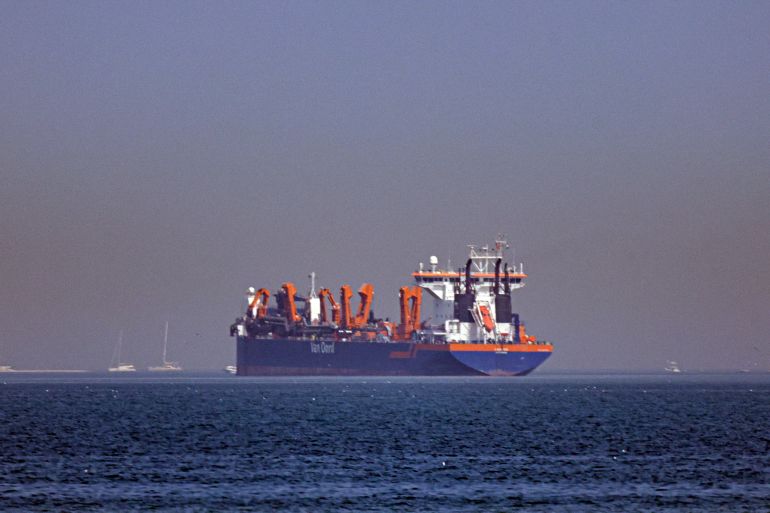
The Strait of Hormuz Crisis of 2026: A Global Energy Reckoning
June 21, 2026 – The world watches with bated breath as the ongoing crisis in the Strait of Hormuz continues to send shockwaves through global energy markets. What began as escalating geopolitical tensions in the Middle East has culminated in an unprecedented disruption to the world's oil supply, pushing crude prices to historic highs and threatening to plunge the global economy into a deep recession. Today, June 21, 2026, marks a critical juncture in this unfolding crisis, with far-reaching implications for nations and industries worldwide.
The Geopolitical Tinderbox: A Brief Overview
The Strait of Hormuz, a narrow waterway between the Persian Gulf and the Gulf of Oman, is one of the most strategically vital chokepoints in the world. Approximately one-fifth of the world's total oil consumption, and a significant portion of its liquefied natural gas (LNG), passes through this strait daily. Its importance cannot be overstated; any disruption here has immediate and severe consequences for global energy security.
For months leading up to the current crisis, tensions in the Middle East had been steadily mounting. A protracted conflict involving Iran and a U.S.-Israel coalition had intensified, leading to a series of tit-for-tat actions that ultimately spilled over into the critical shipping lanes of the Strait. The initial skirmishes and threats of closure quickly escalated into a partial, and at times complete, blockage of the strait, effectively holding a substantial portion of the world's energy supply hostage.
Economic Fallout: Soaring Prices and Global Instability
The economic repercussions of the Strait of Hormuz crisis have been swift and brutal. Oil prices, already under pressure from pre-existing supply concerns and robust global demand, skyrocketed. Brent crude, a key international benchmark, surged past $120 per barrel in March 2026, marking the largest-ever monthly increase in oil prices [1]. Today, prices remain volatile, hovering at levels that many economists fear are unsustainable for sustained global growth.

The impact extends far beyond the immediate cost of crude. Industries reliant on oil and gas, from transportation and manufacturing to agriculture, are facing significantly higher operational costs. This inflationary pressure is being passed on to consumers, leading to a surge in the cost of living across many nations. The International Energy Agency (IEA) reported in June 2026 that the conflict in the Middle East has triggered an unprecedented disruption to global fuel markets, tightening supply and placing significant strain on economies worldwide [2]. The World Bank further warned that if energy supply disruptions continue, global growth could fall to just 1.3% in 2026, with inflation rising to 4.4% [3].
Geopolitical Chessboard: Regional and International Responses
The closure of the Strait of Hormuz has ignited a flurry of diplomatic and military activity. International bodies, including the United Nations, have called for an immediate de-escalation of tensions and the safeguarding of international shipping lanes. Naval forces from several global powers, including the United States, the European Union, and China, have been deployed to the region. While their primary mission is ostensibly to protect commercial vessels, their presence also serves as a potent symbol of the international community's resolve to maintain freedom of navigation in this vital waterway.
Regional players are also deeply affected and are reacting in various ways. Nations heavily reliant on oil exports, such as Saudi Arabia, Kuwait, and Iraq, are exploring alternative export routes to bypass the Strait. These include pipelines across the Arabian Peninsula to the Red Sea, such as the East-West Pipeline. However, these options are limited in capacity and cannot fully compensate for the massive volume of oil that typically flows through the Strait of Hormuz. The logistical challenges and increased costs associated with these alternative routes further complicate the situation.
Meanwhile, importing nations, particularly in Asia and Europe, are scrambling to secure alternative energy sources and diversify their supply chains. This has led to an increased focus on LNG imports from other regions, such as the United States and Australia, as well as a renewed push for domestic energy production and the acceleration of renewable energy projects. The scale of the disruption is so vast that these measures, while necessary, are unlikely to provide immediate relief from the surging energy prices.
Humanitarian and Environmental Concerns
Beyond the economic and geopolitical dimensions, the Strait of Hormuz crisis has significant humanitarian and environmental implications. The conflict zones in the Middle East are experiencing a worsening humanitarian crisis, with civilian populations facing shortages of essential goods, displacement, and the threat of violence. The international community has called for increased humanitarian aid and the protection of civilians, but delivering assistance in an active conflict zone remains a daunting challenge.
Furthermore, the risk of environmental disaster is a constant concern. The presence of numerous naval vessels and the potential for attacks on oil tankers pose a significant threat to the fragile marine ecosystem of the Persian Gulf and the Gulf of Oman. An oil spill in these waters would have devastating consequences for marine life, local fisheries, and the desalination plants that provide water to millions of people in the region. The environmental impact of a large-scale spill would be long-lasting and difficult to mitigate, adding another layer of urgency to the calls for a peaceful resolution.
The Role of Strategic Reserves and Market Speculation
In response to the supply disruption, many nations have begun tapping into their strategic petroleum reserves (SPR) to stabilize markets and provide some relief to consumers. While these reserves are intended for such emergencies, they are not an infinite resource and can only provide temporary relief. The decision to release strategic reserves is a delicate balancing act, as nations must ensure they have sufficient supplies for their own long-term energy security while also trying to calm volatile global markets.
Market speculation has also played a significant role in the volatility of oil prices. The uncertainty surrounding the duration and outcome of the crisis has led to increased speculative activity, which can further drive up prices and exacerbate market instability. Analysts and policymakers are closely monitoring market trends and exploring ways to curb excessive speculation, though this is a complex task in a globalized and interconnected financial system. The interplay between physical supply disruptions and financial market dynamics remains a key factor in the ongoing energy crisis.
Efforts to mediate a ceasefire and a lasting resolution to the broader Middle East conflict have intensified. However, deep-seated mistrust and conflicting interests among the parties involved have made progress slow and arduous. The humanitarian crisis in the conflict zones has also worsened, adding another layer of complexity to the already dire situation.
The Path Forward: Navigating Uncertainty
The Strait of Hormuz crisis of 2026 serves as a stark reminder of the fragility of global energy security and the interconnectedness of the world economy. While immediate efforts are focused on de-escalation and ensuring the flow of oil, the long-term implications are likely to be profound. Nations may accelerate their transition to renewable energy sources, reduce their reliance on fossil fuels, and invest in greater energy independence.
Furthermore, the crisis highlights the urgent need for robust international cooperation and diplomatic solutions to regional conflicts. The economic stability of the entire world hinges on the ability of nations to resolve disputes peacefully and protect vital global commons. As June 21, 2026, draws to a close, the world remains on edge, hoping for a swift and peaceful resolution to a crisis that has already left an indelible mark on the global landscape.