FIFA World Cup 2026: A Global Spectacle Unites the World
June 21, 2026 – Today marks another thrilling day in the 2026 FIFA World Cup, a tournament that has once again captivated billions across the globe. Hosted jointly by Canada, Mexico, and the United States, this expanded edition of the world’s most prestigious football competition is proving to be a monumental event, showcasing athletic prowess, cultural diversity, and the unifying power of the beautiful game. As matches unfold across North America, the excitement is palpable, with fans celebrating every goal, every save, and every moment of sporting drama.
The Expanded Format: More Teams, More Drama
This 23rd edition of the FIFA World Cup is historic, being the first to feature 48 teams, a significant expansion from the previous 32-team format. This change has brought an unprecedented level of global participation, allowing more nations to compete on football’s grandest stage. The expanded format has led to a greater number of matches, intensifying the schedule and providing fans with an extended period of world-class football.
The tournament structure includes 104 matches played across 16 host cities, spread throughout the three North American nations. This geographical spread not only highlights the vastness of the host countries but also allows for a wider distribution of the economic and cultural benefits associated with hosting such a massive event. From the iconic stadiums of the United States to the passionate arenas of Mexico and the welcoming venues of Canada, each host city is contributing to the unique flavor of this World Cup.
Today’s Highlights: Spain vs. Saudi Arabia and Belgium vs. Iran
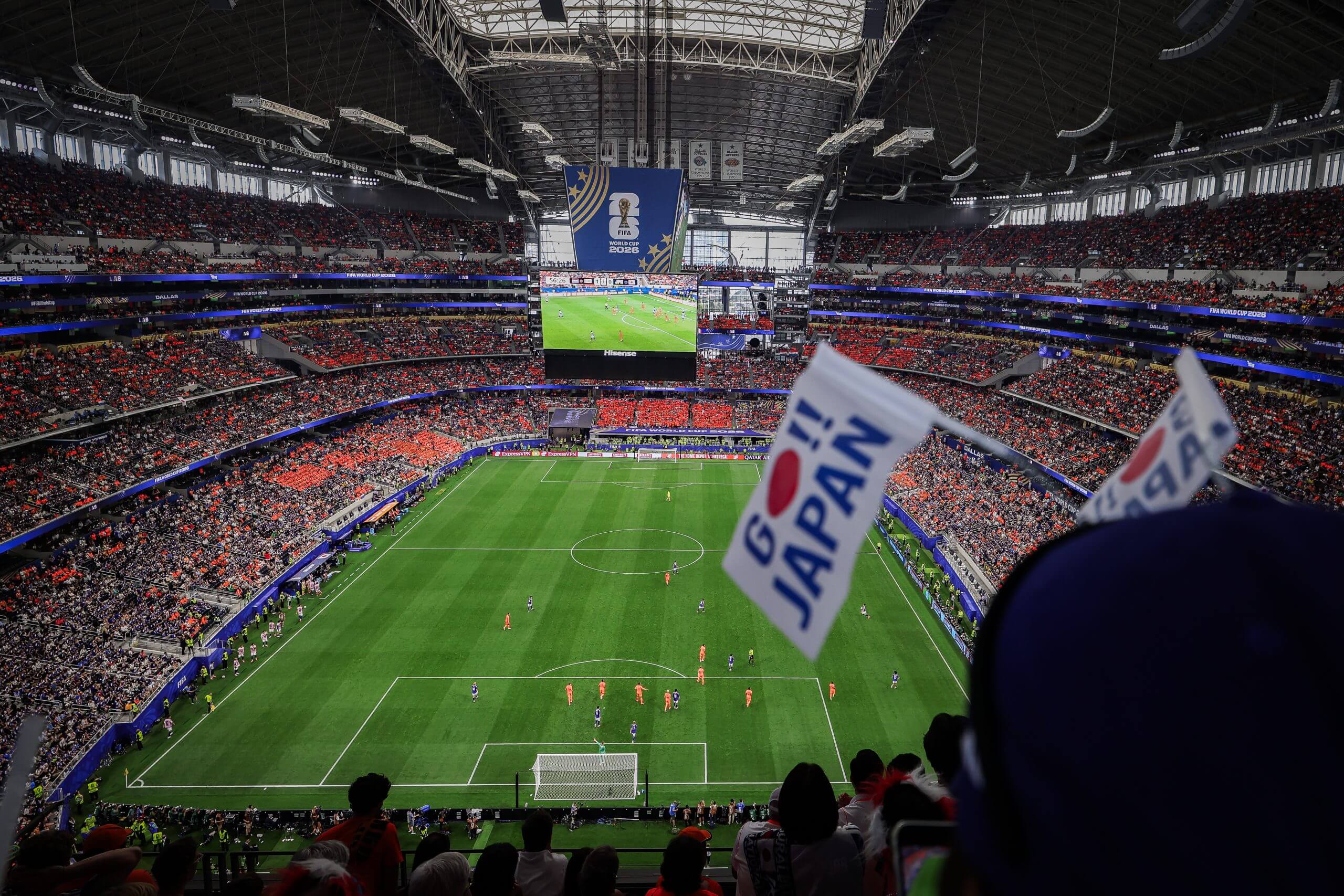
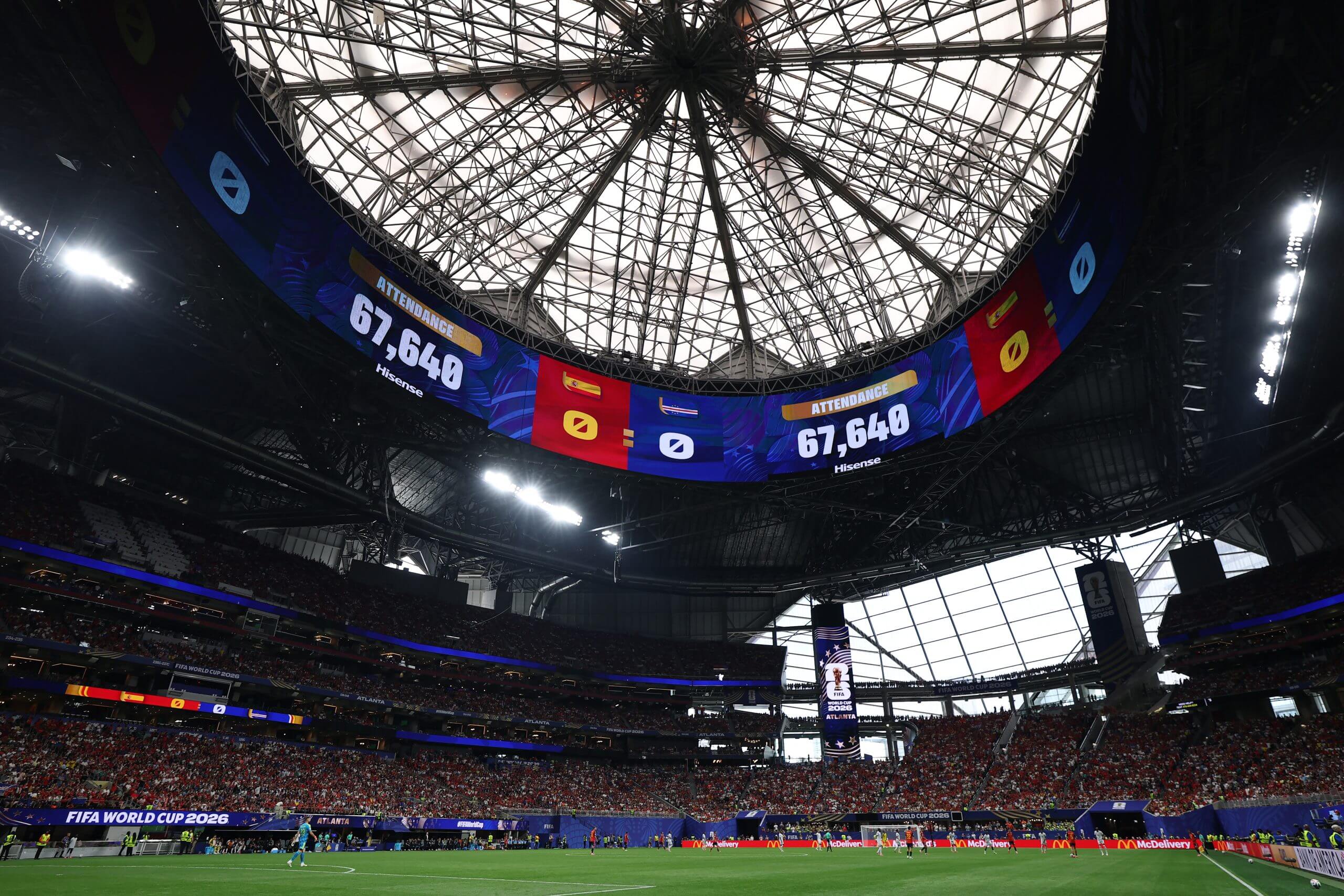
June 21, 2026, has delivered its share of memorable moments. In a highly anticipated Group H clash, Spain faced Saudi Arabia in Atlanta. The match, played before a roaring crowd, showcased Spain’s technical mastery and Saudi Arabia’s resilient defense. Meanwhile, in Inglewood, California, Group G saw Belgium take on Iran. This encounter was particularly charged, given the broader geopolitical context, but on the pitch, it was a display of pure footballing competition, with both teams vying for crucial points in their quest for knockout stage qualification.
These matches, like many others in the tournament, underscore the diverse narratives woven into the fabric of the World Cup. They are not just games; they are cultural exchanges, diplomatic encounters, and moments where national pride is on full display. The passion of the fans, whether in the stadiums or watching from afar, transforms these sporting contests into global phenomena.
Economic and Cultural Impact: Beyond the Pitch
The FIFA World Cup 2026 is more than just a series of football matches; it is a significant economic and cultural driver with a multi-billion dollar impact. The influx of millions of tourists, both domestic and international, is providing a substantial boost to the hospitality, tourism, and retail sectors in the host cities. Hotels are operating at full capacity, restaurants are bustling, and local transport systems are being utilized to their fullest extent. Local businesses, from street vendors to large-scale retailers, are thriving, and temporary employment opportunities have surged, creating a positive economic ripple effect across the host nations.
Furthermore, the investment in infrastructure, including stadium upgrades, improved transportation networks, and enhanced public spaces, will leave a lasting legacy for the host cities. These improvements will benefit local communities long after the final whistle has blown, providing modern facilities and better connectivity for years to come. The World Cup also serves as a global advertisement for the host countries, showcasing their capabilities and attractions to a massive international audience, which can lead to increased tourism and investment in the future.
Culturally, the tournament is a celebration of diversity on an unparalleled scale. Fans from every corner of the world have converged, bringing with them their unique traditions, languages, and fervent support for their national teams. This melting pot of cultures creates a vibrant and inclusive atmosphere, fostering understanding and camaraderie among people who might otherwise never interact. The shared experience of cheering for their teams, exchanging stories, and celebrating victories transcends national borders and political differences. The World Cup provides a platform for cultural exchange and the building of international friendships, contributing to a more connected and understanding global community.
Fan Experience and the Rise of Digital Engagement
The fan experience at the 2026 World Cup has been revolutionized by digital technology. From the moment fans purchase their tickets to the final celebrations, digital platforms are playing a central role. Mobile apps provide real-time updates, stadium maps, and interactive features that enhance the match-day experience. Social media platforms are abuzz with fan-generated content, allowing people around the world to share in the excitement and passion of the tournament.
For those unable to attend the matches in person, digital engagement has reached new heights. High-definition streaming, virtual reality (VR) experiences, and interactive broadcasts are bringing the action closer to fans than ever before. Virtual fan zones and online communities allow fans to connect and celebrate together, regardless of their physical location. This digital expansion has not only increased the reach of the World Cup but has also created new ways for fans to engage with the sport and each other, further solidifying its position as a truly global event.
Youth Development and the Legacy of Football
A key focus of the 2026 World Cup is its potential to inspire the next generation of football players and fans. The tournament provides a powerful platform for promoting youth development programs and encouraging participation in the sport at all levels. Grassroots initiatives, coaching clinics, and educational programs associated with the World Cup are aimed at fostering a love for football and developing the skills of young athletes.
The legacy of the tournament will be measured not only by the success of the matches but also by its impact on the future of the sport. By showcasing the world’s best talent and the passion of the fans, the World Cup can inspire millions of young people to take up football, leading to a more vibrant and diverse footballing community. The investment in youth development and the promotion of the sport’s values, such as teamwork, discipline, and respect, will contribute to the long-term growth and success of football globally.
Media Coverage and Global Reach
The 2026 FIFA World Cup is receiving unprecedented media coverage, with broadcasts reaching every corner of the globe. Thousands of journalists and media professionals are on the ground, providing in-depth analysis, behind-the-scenes stories, and live reporting from the host cities. This extensive coverage ensures that the excitement and drama of the tournament are shared with a massive international audience, further enhancing its global reach and impact.
The role of media in shaping the narrative of the World Cup cannot be overstated. From highlighting the achievements of individual players to exploring the cultural and social significance of the tournament, media coverage provides a comprehensive and multifaceted view of the event. The integration of traditional and digital media has created a dynamic and engaging media landscape, allowing fans to consume World Cup content in ways that suit their preferences and lifestyles. This global reach and engagement further solidify the World Cup's position as the world's premier sporting event.
Technological Innovations and Sustainability Efforts
This World Cup is also notable for its integration of cutting-edge technology and a strong commitment to sustainability. From advanced VAR (Video Assistant Referee) systems ensuring fair play to innovative fan engagement platforms, technology is enhancing the viewing experience both inside and outside the stadiums. Furthermore, organizers have placed a significant emphasis on environmental responsibility, implementing initiatives to reduce the tournament’s carbon footprint, promote recycling, and utilize renewable energy sources.
These efforts reflect a growing global awareness of environmental issues and demonstrate how large-scale events can be managed in a more sustainable manner. The legacy of the 2026 World Cup is intended to extend beyond sporting achievements, aiming to leave a positive impact on the environment and inspire future sustainable practices in major international events.
The Road Ahead: Towards the Final
As the group stages draw to a close and the knockout rounds approach, the intensity of the competition will only increase. Every match becomes a do-or-die encounter, leading to moments of heartbreak and triumph that will be etched into football history. The journey to the final on July 19, 2026, will be a testament to endurance, skill, and teamwork, culminating in one nation lifting the coveted FIFA World Cup trophy.
The FIFA World Cup 2026 stands as a powerful reminder of sport’s ability to unite, inspire, and entertain. On this June 21, 2026, as the world continues to navigate complex challenges, the shared joy and excitement of the World Cup offer a much-needed sense of global community and collective celebration.