The 2026 FIFA World Cup: A New Era of Global Football
The world has turned its eyes toward North America as the 2026 FIFA World Cup officially kicked off this June. This tournament is not just another edition of the quadrennial football feast; it marks a historic expansion that is reshaping the landscape of international sports. For the first time, the tournament features 48 nations, up from the traditional 32, and is being hosted across three massive countries: Canada, Mexico, and the United States.
A Continental Celebration
The sheer scale of the 2026 World Cup is unprecedented. With 104 matches scheduled over nearly six weeks, the logistics involved are staggering. Host cities range from the high-altitude stadiums of Mexico City to the coastal venues of Vancouver and the massive NFL arenas across the United States. This geographical spread ensures that the "World Cup fever" is felt across an entire continent, bringing diverse cultures together through the universal language of football.
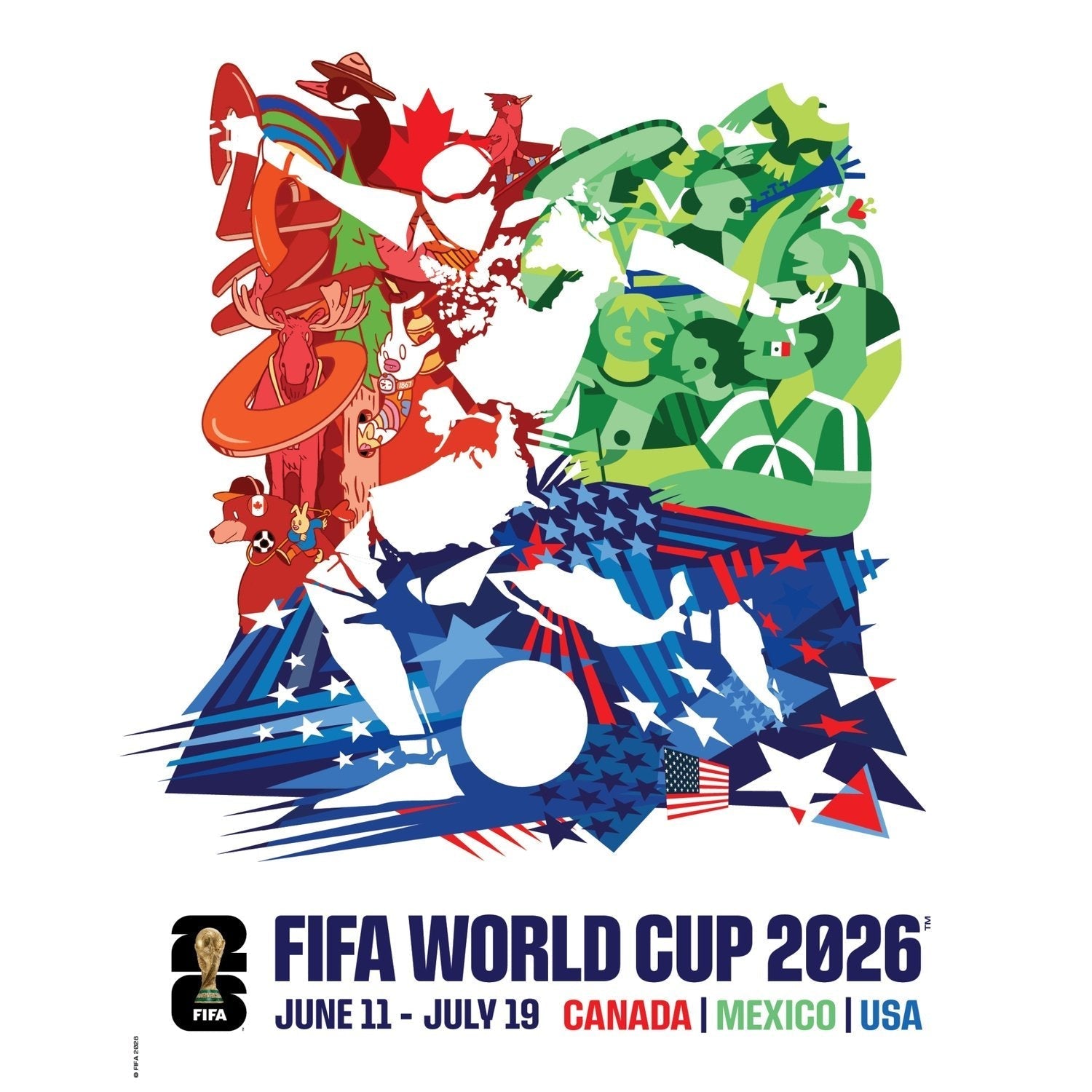 The official tournament branding reflects the unity of the three host nations: Canada, Mexico, and the USA.
The opening matches have already set the tone for a tournament of surprises. With more teams participating, smaller nations that previously struggled to qualify are now getting their chance on the big stage. This "democratization" of the World Cup has led to an electric atmosphere, as fans from debutant nations bring a new level of passion and energy to the stands.
Economic and Cultural Impact
Beyond the pitch, the economic implications for the host cities are immense. Tourism, hospitality, and local businesses are seeing a massive surge in activity. In cities like San Francisco and Seattle, the influx of international visitors has turned local neighborhoods into vibrant fan zones.
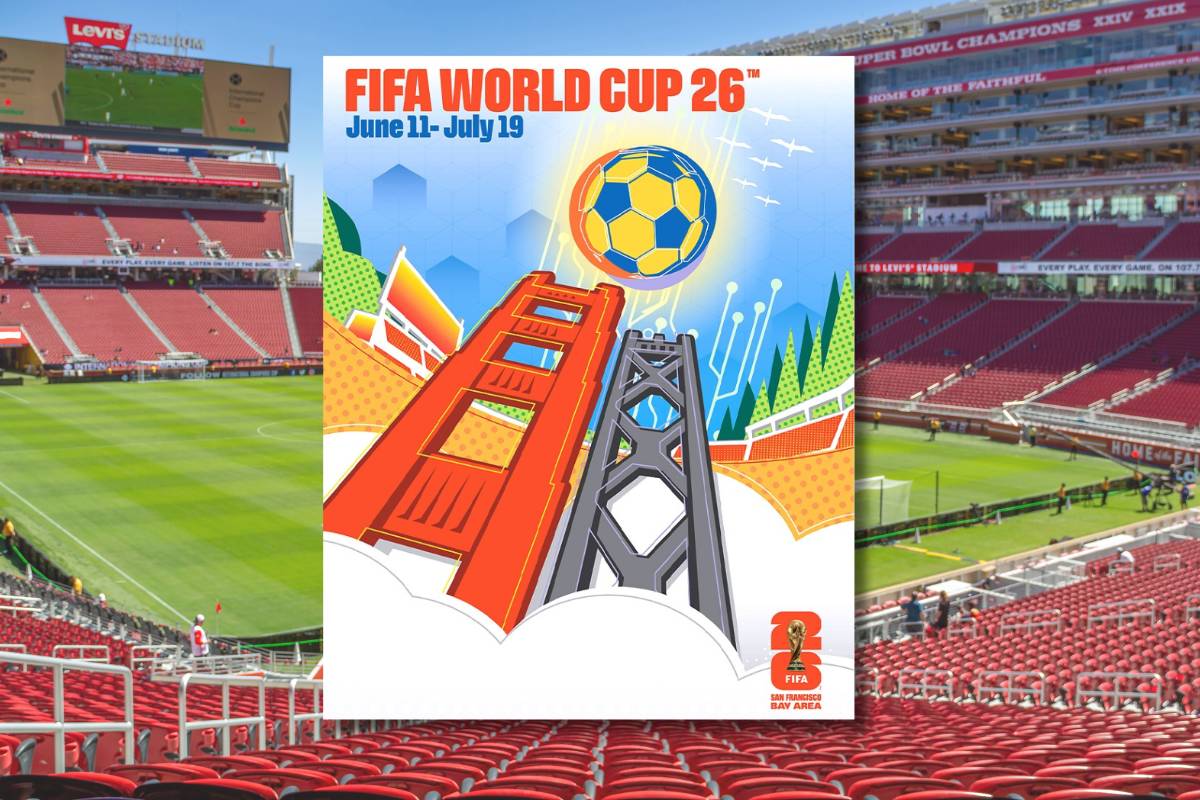 Host cities like the Bay Area have developed unique identities for the tournament, blending local culture with global football passion.
The tournament is also serving as a catalyst for infrastructure improvements. Many host cities have invested heavily in public transportation and stadium upgrades, leaving a lasting legacy that will benefit local communities long after the final whistle is blown. The cultural exchange is equally significant, as millions of fans navigate the different customs and landscapes of the three host nations.
The Road to the Final
As the group stages progress, the competition is intensifying. The new format, featuring 12 groups of four teams each, has created a complex but thrilling path to the knockout rounds. Top teams from each group, along with the best third-placed finishers, will advance to a new Round of 32, making the journey to the trophy longer and more grueling than ever before.
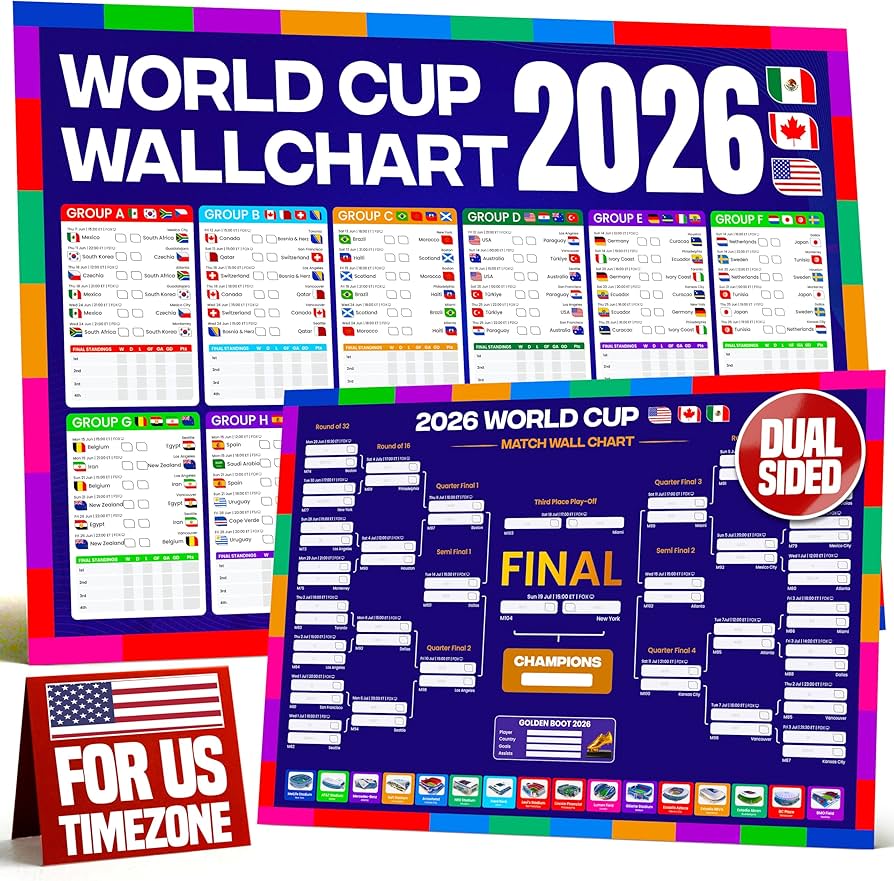 The expanded bracket features more matches and more opportunities for underdog stories to emerge.
Analysts are closely watching the traditional powerhouses like Brazil, France, and Argentina, but the expanded format has also given rise to dark horses. The increased number of matches means that squad depth and physical endurance will be more critical than ever. Managers are having to balance their rosters carefully, rotating players to ensure they remain fresh for the later stages of the tournament.
Technology in the Beautiful Game
The 2026 World Cup is also a showcase for the latest in sports technology. From advanced VAR (Video Assistant Referee) systems to semi-automated offside technology, every decision is scrutinized with pinpoint accuracy. Furthermore, "connected ball" technology is providing real-time data to coaches and broadcasters, offering deeper insights into player performance and match dynamics.
Fans at home are also experiencing the tournament in new ways. High-definition streaming, augmented reality overlays, and interactive apps allow supporters to feel closer to the action than ever before. The digital footprint of this World Cup is expected to break all previous records, with billions of social media interactions and views across various platforms.
Conclusion
The 2026 FIFA World Cup is more than just a series of football matches; it is a global event that captures the spirit of international cooperation and competition. By expanding to 48 teams and three host nations, FIFA has created a spectacle that is truly global in scope. As the tournament moves toward the final in July, the excitement will only continue to build, cementing this World Cup's place in history as a turning point for the beautiful game. Whether it's the thrill of a last-minute goal or the joy of fans celebrating in the streets, the 2026 World Cup is proving that football remains the world's greatest unifying force.