The Wellness Tourism Boom: How 2026 is Redefining the Fitness Travel Landscape
As we navigate through the midpoint of 2026, the global travel industry has undergone a radical transformation. The era of passive sightseeing and indulgence-heavy vacations is rapidly giving way to a new paradigm: Wellness Tourism. No longer a niche segment for the ultra-wealthy, wellness-focused travel has become the primary driver of the tourism sector, projected to surpass $1.2 trillion by the end of the year. This shift reflects a deeper societal move toward proactive health management, longevity, and the integration of physical and mental well-being into every aspect of life.
The Evolution of the "Healthy Holiday"
The concept of a "healthy holiday" has evolved significantly over the last decade. In the early 2020s, it often meant a hotel with a decent gym or a morning yoga session. In 2026, wellness tourism is holistic, data-driven, and deeply personalized. Travelers are no longer just looking for a getaway; they are seeking a "reset" that offers measurable improvements in their biological markers.
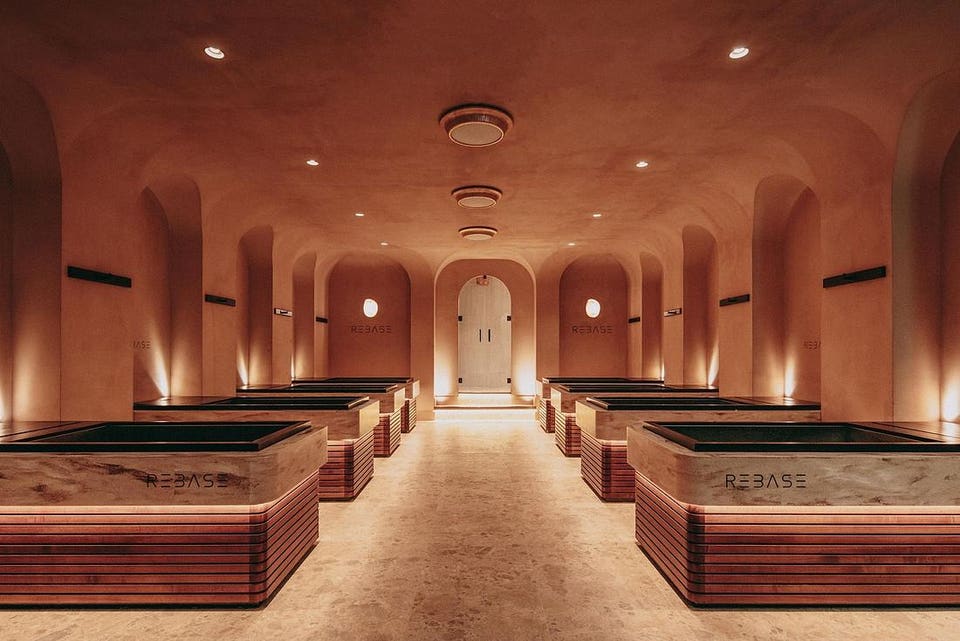 Modern luxury resorts are now integrating medical-grade diagnostics with traditional hospitality.
From "Biohacking Retreats" in the Swiss Alps to "Blue Zone Immersions" in Costa Rica, the modern traveler is prioritizing environments that facilitate peak performance and cellular rejuvenation. The rise of wearable technology and real-time health monitoring has enabled resorts to offer hyper-customized programs that adjust nutrition, sleep protocols, and exercise intensity based on the guest's physiological data.
Longevity: The New Luxury Frontier
Perhaps the most significant trend within wellness tourism in 2026 is the obsession with longevity. Science-backed retreats are now offering treatments that were once confined to elite medical clinics. Hyperbaric oxygen therapy, intravenous nutrient infusions, and cold-plunge circuits are now standard amenities at high-end wellness destinations.
The luxury traveler of 2026 isn't just looking for a five-star meal; they are looking for a personalized nutrition plan based on their microbiome analysis. Resorts like the ones popping up in the Mediterranean and Southeast Asia are partnering with longevity scientists to create environments that "reverse" biological age. This "longevity-as-a-service" model has created a loyal customer base that views travel as an essential investment in their future health rather than a discretionary expense.
The Rise of Fitness Travel and "Sportcations"
While relaxation remains a component, 2026 has seen a massive surge in Fitness Travel, often referred to as "Sportcations." These are trips centered around high-intensity athletic pursuits or learning new physical skills. Whether it’s a week-long cycling tour through the Pyrenees, a high-altitude training camp in Kenya, or a surfing and Brazilian Jiu-Jitsu retreat in Indonesia, the goal is active engagement.
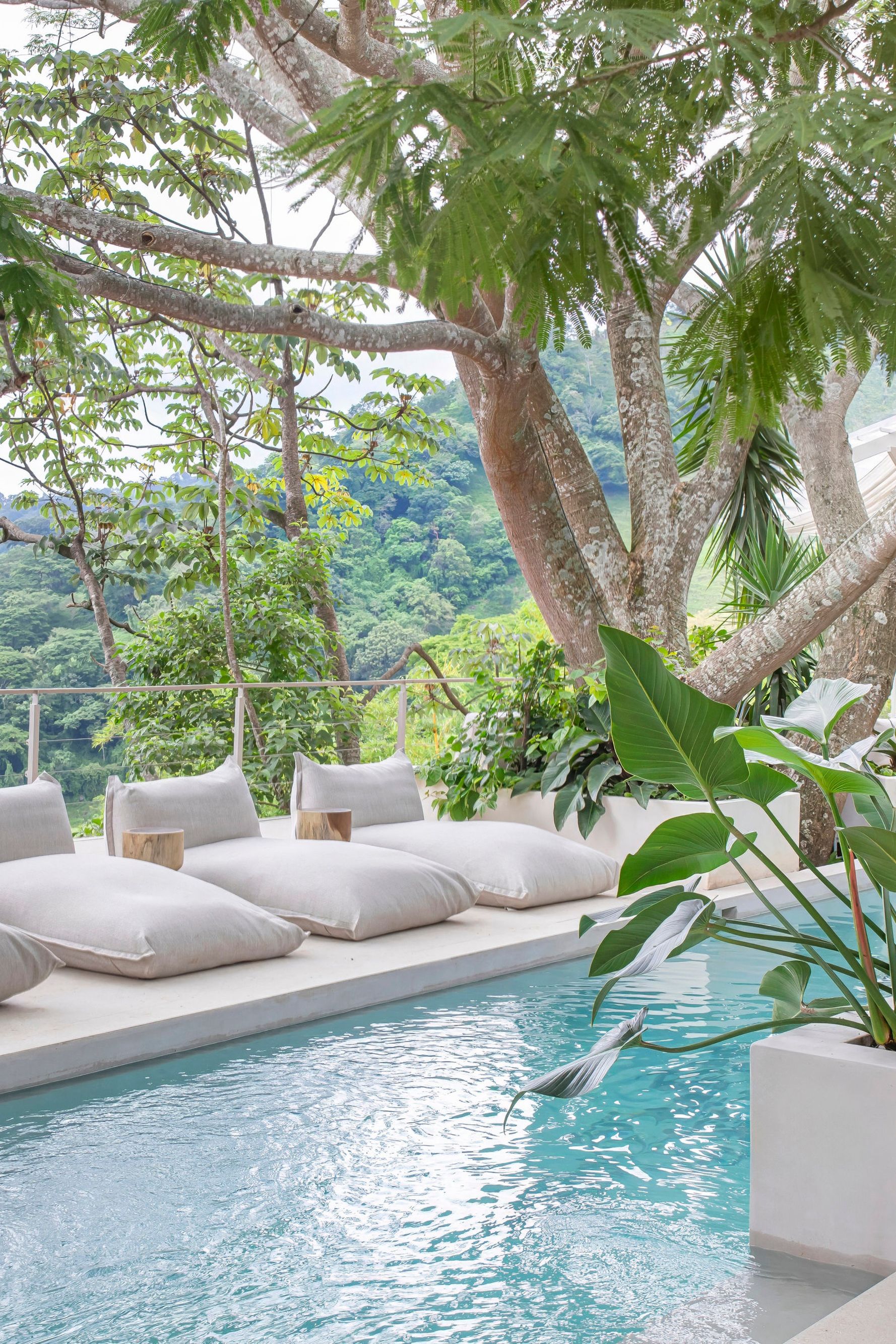 Design-forward wellness centers are blending natural environments with high-tech recovery tools.
This trend is fueled by the "community fitness" movement. People who spent years training in local CrossFit boxes or HIIT studios now want to take that communal energy on the road. Group-based fitness travel allows for social connection through shared physical challenges, addressing both the physical and social dimensions of wellness. Hotels are responding by replacing traditional business centers with state-of-the-art functional training zones and recovery suites equipped with infrared saunas and compression therapy.
Mental Health and the "Quiet Travel" Movement
In an increasingly digital and noisy world, 2026 has also ushered in the "Quiet Travel" movement. Mental wellness is now treated with the same importance as physical fitness. Silent retreats, "digital detox" sanctuaries, and sleep-focused tourism are booming.
"Sleep Tourism" in particular has seen a 40% year-over-year growth. Hotels are investing millions in soundproofing, AI-regulated climate control, and circadian lighting to guarantee the perfect night's rest. Some destinations even offer "sleep concierges" who curate evening rituals involving magnesium baths, guided meditation, and specialized herbal teas. The goal is to return from a trip not just rested, but with a recalibrated nervous system.
Sustainability and Ethical Wellness
Wellness in 2026 is also inextricably linked to the health of the planet. "Regenerative Tourism" is the new standard, where travelers seek out destinations that not only minimize their footprint but actively contribute to the restoration of the local ecosystem. Wellness enthusiasts are increasingly savvy about "greenwashing" and demand transparency in how a resort manages its energy, water, and community impact.
Ethical wellness also means respecting and integrating local traditions without cultural appropriation. Destinations that offer authentic, community-led wellness practices—such as traditional Ayurvedic medicine in India or Indigenous healing ceremonies in the Americas—are seeing the highest levels of engagement. This "Conscious Wellness" approach ensures that the benefits of the tourism boom are shared with the local populations who provide the foundations for these experiences.
The Democratization of Wellness Travel
While luxury retreats grab the headlines, the most significant long-term impact of the 2026 wellness boom is its democratization. Mid-range hotel chains and even budget accommodations are incorporating wellness elements. "Wellness-lite" options, such as healthy vending machines, in-room fitness equipment, and partnerships with meditation apps, are becoming standard across the industry.
Subscription-based travel clubs are also emerging, allowing members to access a network of wellness-focused properties for a monthly fee. This makes regular "wellness resets" accessible to a broader demographic, reflecting the universal desire for better health in a post-pandemic world.
Conclusion: A Permanent Shift in Perspective
The wellness tourism boom of 2026 is not a passing fad; it is a permanent shift in how we view the purpose of travel. In a world where work is increasingly flexible and health is the ultimate currency, the boundaries between living, working, and vacationing are blurring. We are moving toward a future where every trip is an opportunity for growth, healing, and optimization.
As the industry continues to innovate, we can expect even deeper integrations of technology and tradition. The traveler of tomorrow will not ask "Where can I go?" but rather "Who can I become?" through the experience of travel. In 2026, the journey inward has become the most popular destination on the map.