Trump-Putin Summit in Alaska: A Stalled Peace and Shifting Geopolitics
The much-anticipated summit between U.S. President Donald Trump and Russian President Vladimir Putin in Alaska has concluded, leaving the international community with more questions than answers regarding the ongoing conflict in Ukraine. Despite high hopes for a diplomatic breakthrough, the leaders failed to reach a concrete agreement to end the protracted war, signaling a complex and uncertain future for global stability.
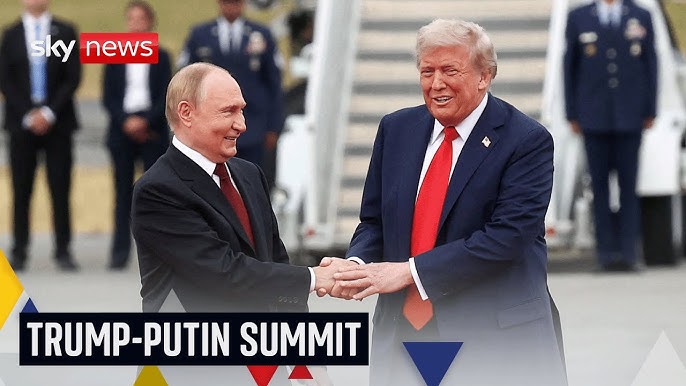 President Trump and President Putin at the Alaska summit, June 2026.
The summit, held against a backdrop of escalating tensions and a humanitarian crisis in Eastern Europe, was seen by many as a critical opportunity to de-escalate the conflict. However, both leaders emerged from the discussions without a joint declaration on Ukraine. President Trump stated that while "great progress" had been made in understanding each other's positions, a definitive peace deal remained elusive. President Putin echoed this sentiment, emphasizing that fundamental differences regarding territorial claims and security guarantees persist.
The Sticking Points: Territory and Security
The primary obstacle to a peace agreement remains the status of the territories currently occupied by Russian forces. Ukraine, backed by its Western allies, has steadfastly refused to cede any territory, demanding a full withdrawal of Russian troops to pre-2014 borders. Conversely, Russia insists on the recognition of its territorial gains as a prerequisite for any lasting peace.
Furthermore, the issue of Ukraine's potential NATO membership continues to be a major point of contention. Russia views NATO expansion as a direct threat to its national security and demands a guarantee that Ukraine will remain neutral. The United States and its European allies, however, maintain that sovereign nations have the right to choose their own alliances, rejecting any Russian veto over NATO enlargement.
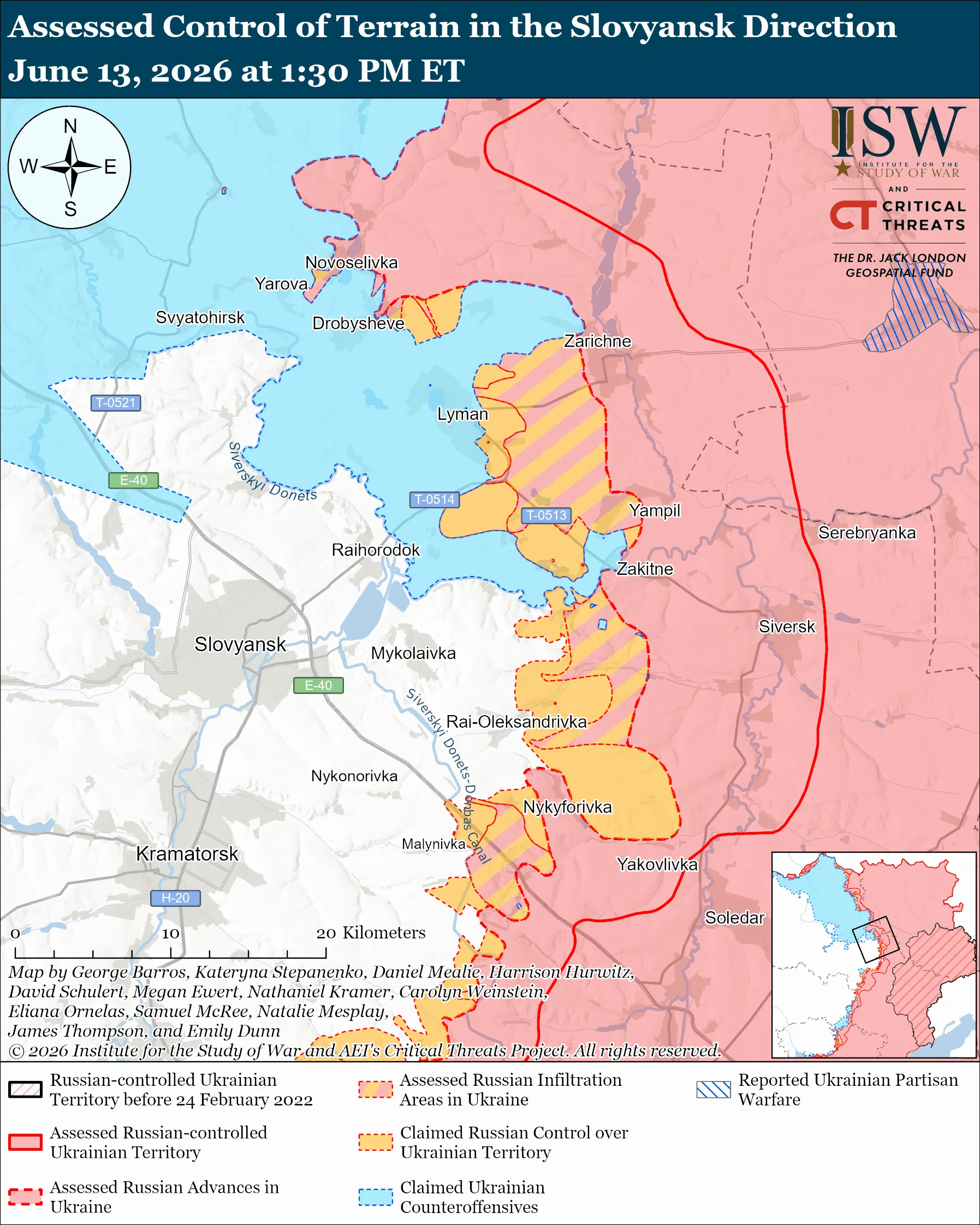 A map showing the assessed control of terrain in the Russo-Ukrainian War as of June 2026.
Implications for European Security and NATO
The failure to reach an agreement in Alaska has profound implications for European security and the future of the NATO alliance. The ongoing conflict in Ukraine has already prompted a significant reassessment of defense strategies across the continent, with many European nations increasing their military spending and bolstering their eastern flanks.
The lack of a diplomatic resolution underscores the need for a sustained and unified Western response to Russian aggression. However, the summit has also highlighted potential fissures within the alliance. President Trump's repeated calls for European nations to take a more prominent role in their own defense, coupled with his previous threats to withdraw U.S. support for NATO, have raised concerns about the long-term commitment of the United States to European security.
In response to these uncertainties, European leaders are increasingly emphasizing the need for "strategic autonomy," advocating for a more independent and capable European defense posture. This shift, often referred to as "NATO 3.0," envisions a more balanced transatlantic partnership, with Europe assuming a greater share of the burden for its own security.
The Humanitarian Toll and the Path Forward
As diplomatic efforts stall, the humanitarian crisis in Ukraine continues to deepen. The conflict has displaced millions of people, caused widespread destruction of infrastructure, and resulted in countless civilian casualties. The international community faces a daunting challenge in providing adequate humanitarian assistance and supporting the reconstruction of the war-torn nation.
The path forward remains fraught with uncertainty. While the Alaska summit failed to produce a breakthrough, it did establish a channel for direct communication between the two leaders. Future negotiations will likely require significant concessions from both sides, a prospect that currently appears remote.
In the meantime, the conflict in Ukraine will continue to shape the geopolitical landscape, testing the resolve of the international community and the resilience of the rules-based international order. The failure of the Trump-Putin summit serves as a stark reminder of the enduring complexities of global diplomacy and the formidable challenges of achieving lasting peace in a deeply divided world.
Economic Repercussions and Global Markets
The geopolitical stalemate also casts a long shadow over global markets. The ongoing war and the associated sanctions regime have disrupted supply chains, particularly in the energy and agricultural sectors, contributing to inflationary pressures worldwide. The lack of a resolution in Alaska suggests that these economic headwinds are likely to persist in the near term.
Investors are closely monitoring the situation, seeking signs of either escalation or de-escalation that could impact market stability. The uncertainty surrounding the conflict has led to increased volatility in commodity prices and currency markets, complicating economic forecasting and policy-making.
Furthermore, the conflict has accelerated the fragmentation of the global economy, as nations seek to reduce their reliance on adversarial powers and build more resilient supply chains. This trend towards "de-risking" and "friend-shoring" is reshaping international trade patterns and could have long-lasting implications for global economic growth.
Conclusion
The Trump-Putin summit in Alaska, while historic in its setting, ultimately failed to deliver the much-needed breakthrough in the Ukraine conflict. The entrenched positions of both sides, coupled with the complex geopolitical dynamics at play, suggest that a diplomatic resolution remains a distant prospect. As the war grinds on, the international community must grapple with the profound humanitarian, security, and economic consequences of this enduring crisis. The failure of the summit underscores the urgent need for renewed diplomatic efforts and a steadfast commitment to upholding the principles of international law and national sovereignty.