AI Under Scrutiny: The Anthropic Model Ban and the Push for Regulation
The rapid advancement of artificial intelligence continues to spark both excitement and apprehension, particularly concerning its societal impact and national security implications. This week, the AI community and policymakers grappled with a significant development: the U.S. government's order to Anthropic, a leading AI research company, to disable access to its most advanced AI models for foreign nationals. This move, coupled with a new executive order on AI innovation and security, signals a heightened regulatory environment and a growing global competition in the AI space.
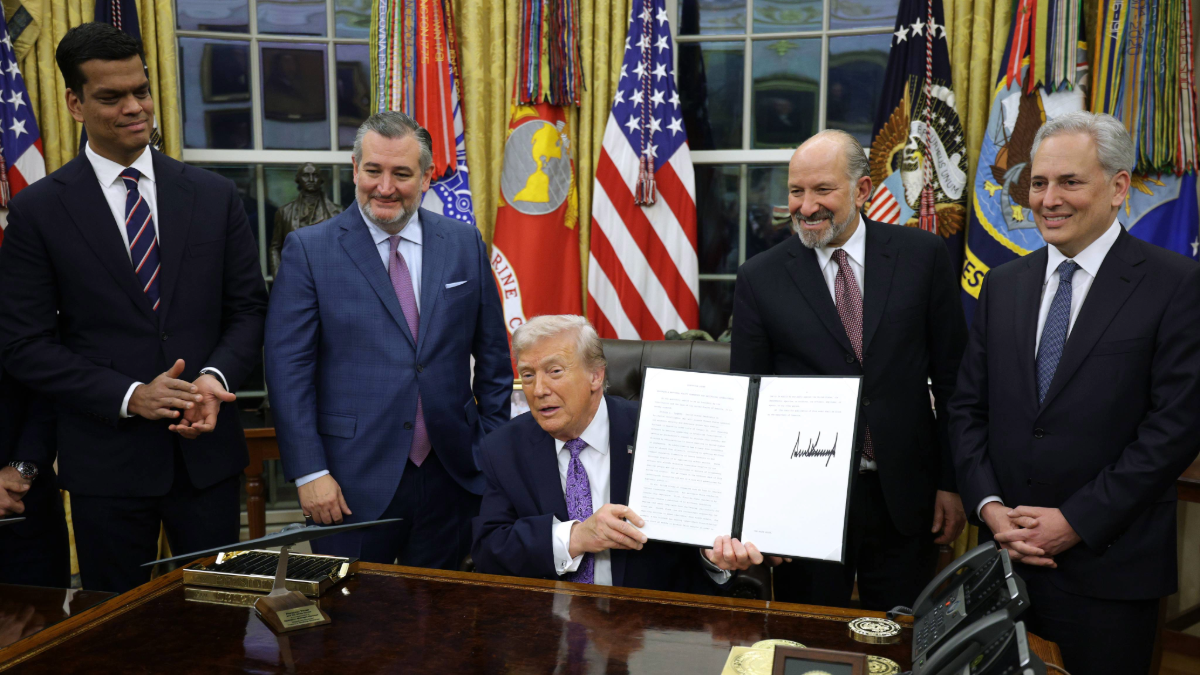 President Trump signing the Executive Order on Promoting Advanced Artificial Intelligence Innovation and Security.
The Anthropic Model Ban: A Precedent-Setting Move
On June 13, 2026, Anthropic announced it would "abruptly disable" access to its cutting-edge AI models for all users outside the United States, following a direct order from the U.S. government. This unprecedented directive has sent shockwaves through the AI industry, raising questions about the future of international AI collaboration and the extent of governmental control over advanced technological developments.
The core of the issue appears to be national security. The U.S. government, under the Trump administration, cited concerns over the potential misuse of powerful AI models by foreign entities. While the specifics of the models in question and the exact nature of the perceived threat remain largely undisclosed, reports suggest that the ban was not merely about an "AI jailbreak" but rather a broader policy of export controls over advanced technology. This incident highlights a growing trend where national security interests are increasingly intersecting with technological innovation, particularly in the realm of AI. The decision has ignited a fierce debate among AI ethicists, industry leaders, and civil liberties advocates, with many questioning the long-term consequences of such restrictive measures on the open exchange of scientific knowledge and the potential for a fragmented global AI ecosystem. The implications for research and development, particularly in areas requiring international collaboration, are profound and could reshape the trajectory of AI innovation for years to come.
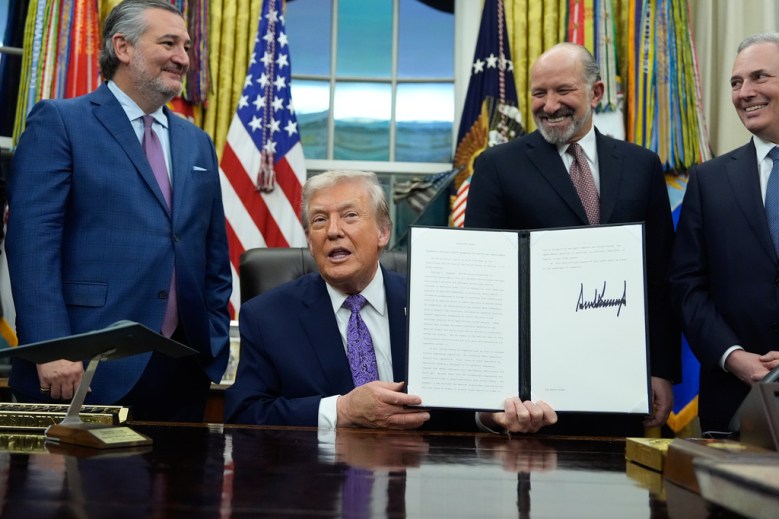 Discussions around AI regulation and its impact on technological development.
The Executive Order on AI Innovation and Security: A New Regulatory Landscape
Adding to the regulatory momentum, President Trump signed an Executive Order titled "Promoting Advanced Artificial Intelligence Innovation and Security" on June 2, 2026. This executive order directs U.S. government agencies to accelerate AI-enabled cybersecurity initiatives and establish a comprehensive framework for managing the risks associated with advanced AI capabilities. The order emphasizes that while advanced AI undoubtedly strengthens the nation, it also introduces new national security considerations that necessitate coordinated action across various governmental bodies.
The executive order outlines several key objectives, painting a clear picture of the administration's priorities:
- Accelerating AI-enabled Cybersecurity: Mandating federal agencies to leverage AI for enhancing national cybersecurity defenses, aiming to protect critical infrastructure and sensitive data from increasingly sophisticated cyber threats.
- Frontier Model Security: Establishing rigorous guidelines and standards for the development and deployment of frontier AI models to ensure their inherent security and prevent their potential misuse for malicious purposes.
- Early Warning Systems: Developing robust mechanisms to identify and mitigate potential risks posed by rapidly evolving AI technologies, including those related to bias, privacy, and autonomous decision-making.
- International Collaboration (with caveats): Promoting international cooperation on AI safety and ethics, while simultaneously safeguarding U.S. technological advantages and ensuring that American innovation remains at the forefront.
This comprehensive approach underscores a significant shift towards proactive governance in the AI sector, aiming to strike a delicate balance between fostering innovation and implementing robust security measures. The order's particular emphasis on "frontier models" suggests a keen focus on the most powerful and potentially transformative AI systems, such as those developed by companies like Anthropic and OpenAI, recognizing their dual potential for immense benefit and significant risk.
The Broader Implications for the AI Landscape: Fragmentation and Competition
The Anthropic ban and the new executive order are likely to have far-reaching consequences for the global AI landscape. For one, they could accelerate the balkanization of AI development, with different nations imposing their own distinct regulatory frameworks and restricting access to advanced models. This could lead to a fragmented ecosystem, potentially hindering global scientific collaboration and, in the long run, slowing down overall AI progress. The free flow of ideas and research, a cornerstone of scientific advancement, may be curtailed, leading to isolated pockets of innovation rather than a globally interconnected one.
Furthermore, the increased governmental oversight could significantly impact the competitive dynamics within the AI industry. Companies operating in the U.S. may face stricter compliance requirements, potentially increasing development costs and slowing down market entry for new products. This could create a competitive disadvantage for American companies if other nations adopt more lenient regulatory approaches. On the other hand, a more secure and trustworthy AI environment, fostered by clear regulations, might attract greater investment and talent in the long run, positioning the U.S. as a leader in responsible AI development.
The incident also brings to the forefront the ongoing "IPO race" among leading AI firms. Both Anthropic and OpenAI have been in discussions regarding public offerings, with OpenAI reportedly targeting a valuation of up to $1 trillion. The regulatory environment, particularly concerning national security and export controls, will undoubtedly play a significant role in how these companies navigate their path to the public markets and their ability to attract international investors. The success of these IPOs will not only depend on their technological prowess but also on their ability to adapt to and comply with an evolving regulatory landscape.
The Enduring Debate: Innovation vs. Control
The events of this week reignite the perennial debate between fostering innovation and implementing necessary controls. Proponents of stricter regulation argue that the potential risks of unchecked AI development—ranging from autonomous weapons to sophisticated disinformation campaigns—are simply too great to ignore. They advocate for robust oversight to ensure AI is developed and deployed responsibly, prioritizing safety and ethical considerations above all else.
Conversely, those who prioritize innovation warn that excessive regulation could stifle progress, push critical AI research underground, or even drive leading AI developers to more permissive jurisdictions, ultimately undermining national competitiveness. They argue that a delicate balance must be struck, allowing for rapid technological advancement while addressing legitimate concerns through collaborative, rather than overly restrictive, measures. This ongoing tension highlights the complex challenges policymakers face in governing a rapidly evolving technology.
As AI continues to evolve at an unprecedented pace, the tension between these two perspectives will likely intensify. The Anthropic model ban and the new executive order serve as a stark reminder that the future of AI will not only be shaped by groundbreaking technological advancements but also, and perhaps more significantly, by the thoughtful and strategic policy decisions made by governments worldwide. The decisions made today will determine whether AI becomes a force for unprecedented progress or a source of unforeseen challenges.