G7 Summit in France: A New Era of Diplomacy with the US-Iran Peace Deal
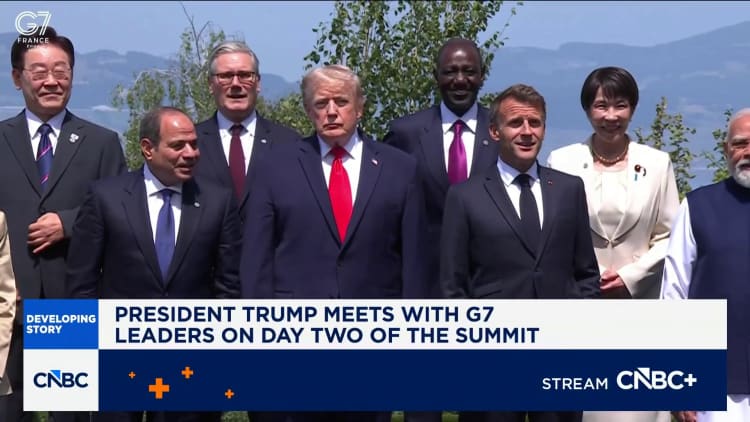
The picturesque French Alps, specifically Evian-les-Bains, played host to the much-anticipated 2026 G7 Summit, a gathering that has historically served as a crucible for global policy and economic direction. This year, however, the summit transcended its usual agenda, becoming the backdrop for a truly historic moment: the formal announcement and impending signing of a peace agreement between the United States and Iran. This breakthrough, heralded by President Donald Trump, marks a significant pivot in Middle Eastern geopolitics and international relations, promising a new era of stability and cooperation.
The Road to Peace: A Diplomatic Marathon
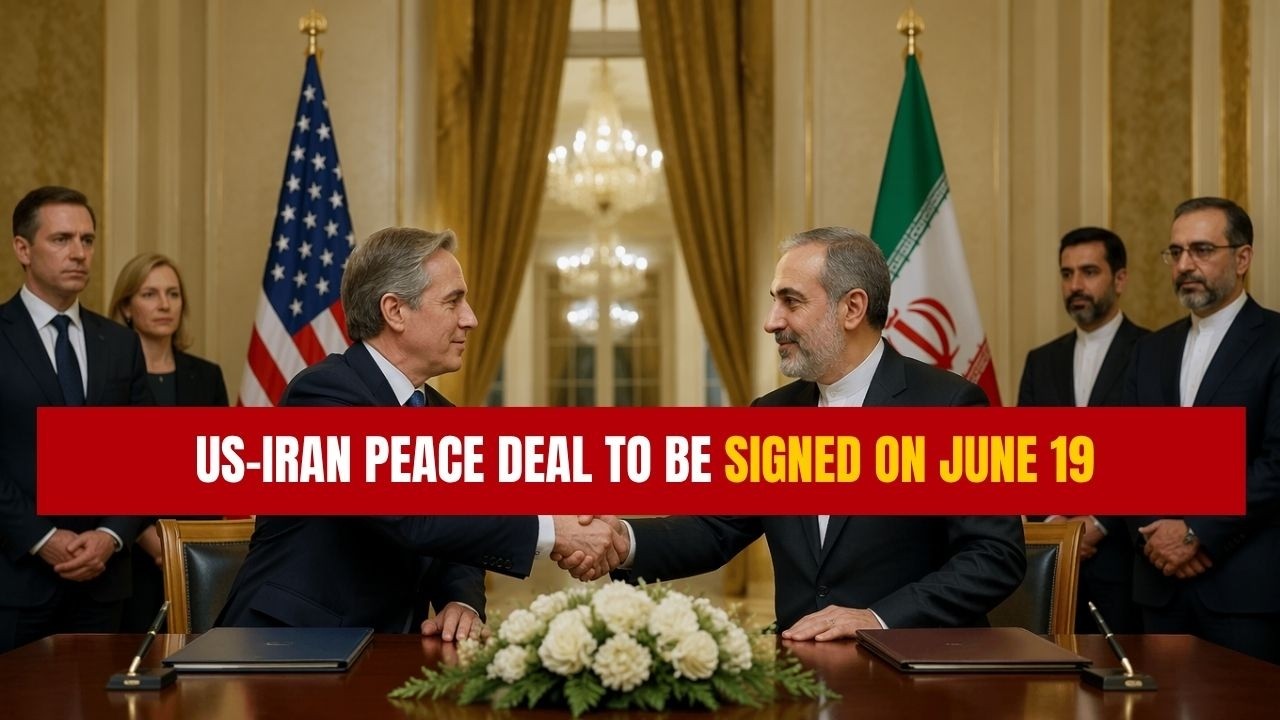
The journey to this peace deal has been fraught with tension and complex negotiations. For months, diplomatic channels have been working tirelessly behind the scenes, aiming to de-escalate conflicts that have plagued the Middle East for decades. The core of the agreement centers on several critical points: the reopening of the Strait of Hormuz, the lifting of the United States' naval blockade in the region, and a commitment to 60 days of nuclear negotiations. These measures are designed to foster trust, facilitate economic recovery, and lay the groundwork for a more comprehensive resolution to long-standing disputes.
President Trump, arriving at the G7 Summit, expressed optimism, stating that the deal would lead to 'a lot of success' for the world. The sentiment was echoed by Iranian officials, who, while cautious, acknowledged the potential for a new chapter. The agreement is expected to be formally signed in Switzerland on Friday, June 19, with Vice-President JD Vance reportedly attending the ceremony. This swift progression from announcement to signing underscores the urgency and mutual desire for peace from both sides.
Global Reactions and Implications
The international community has reacted with a mixture of relief and cautious optimism. Allies who had previously been critical of the prolonged conflict and its economic repercussions are likely to welcome the deal, particularly the reopening of the Strait of Hormuz, a vital artery for global oil trade. The economic incentives for Iran, coupled with the lifting of the blockade, are expected to provide a much-needed boost to the Iranian economy, potentially leading to greater regional stability.
However, challenges remain. The agreement's details, particularly regarding the nuclear negotiations, are yet to be fully disclosed. As reported by major news outlets, President Trump has vowed to release the full text of the agreement 'in a couple of days,' which will undoubtedly be scrutinized by international observers and experts. Questions linger about the long-term implications for regional powers, including Israel, which has historically viewed Iranian nuclear ambitions with deep concern. The agreement reportedly includes provisions concerning Lebanon, suggesting a broader regional scope to the diplomatic efforts.
The G7's Evolving Role in a Changing World
The G7 Summit itself, traditionally focused on economic coordination, has increasingly become a platform for addressing pressing global security and political issues. The presence of President Trump and his direct involvement in brokering the Iran deal highlights a shift in the dynamics of international diplomacy. The summit's agenda also included discussions on global trade, climate change, and technological advancements, but the US-Iran agreement undoubtedly dominated the headlines.
The meeting with UAE President Sheikh Mohammed bin Zayed Al Nahyan at the G7 further underscores the complex web of alliances and interests at play in the Middle East. The UAE, a key regional player, has a vested interest in the stability of the Persian Gulf and the free flow of trade through its waters. The G7 leaders, including German Chancellor Merz, who reportedly gifted President Trump a jersey, engaged in various bilateral and multilateral discussions, aiming to forge consensus on a range of global challenges.
Looking Ahead: A Fragile Peace?
The US-Iran peace deal, while a monumental achievement, is merely the first step in a long and arduous process. The 60-day window for nuclear negotiations will be critical, as will the implementation of the agreement's various provisions. The success of this diplomatic endeavor will depend on the sustained commitment of both the United States and Iran, as well as the continued support of the international community.
The 2026 G7 Summit in France will be remembered not just for its scenic backdrop, but for ushering in a potentially transformative era in global diplomacy. The world watches with bated breath as the details unfold, hoping that this peace deal will indeed pave the way for lasting stability in a region long accustomed to turmoil.
Economic Repercussions and the Energy Market
The announcement of the US-Iran peace deal has sent ripples through the global energy markets. For years, the threat of conflict in the Persian Gulf and the potential closure of the Strait of Hormuz have contributed to volatility in oil prices. The reopening of this strategic waterway, which handles approximately one-fifth of the world's oil consumption, is expected to lead to a more stable and predictable energy supply. Analysts predict that the lifting of the naval blockade and the reintegration of Iranian oil into the global market could lead to a significant decrease in crude oil prices, providing relief to consumers and industries worldwide.
Furthermore, the deal opens up new avenues for international investment in Iran's energy sector. With the lifting of sanctions, major oil and gas companies are expected to explore opportunities for collaboration and modernization of Iran's aging infrastructure. This influx of capital and technology could significantly boost Iran's production capacity, further influencing global energy dynamics. The economic benefits, however, extend beyond the energy sector, as the lifting of trade restrictions is expected to revitalize various industries in Iran, fostering economic growth and creating new opportunities for international trade.
The Role of Regional Power Brokers
While the US-Iran agreement is a bilateral achievement, its success is deeply intertwined with the interests and actions of regional power brokers. Countries like Saudi Arabia, the United Arab Emirates, and Qatar have played pivotal roles in the diplomatic process, often acting as intermediaries or providing critical support for de-escalation efforts. The meeting between President Trump and UAE President Sheikh Mohammed bin Zayed Al Nahyan at the G7 Summit underscores the importance of these regional partnerships.
The UAE, in particular, has been a vocal advocate for regional stability and economic cooperation. Its strategic location and influence in the Persian Gulf make it a key stakeholder in any agreement involving Iran. The support of these regional powers is crucial for the long-term viability of the peace deal, as they can help facilitate dialogue, monitor compliance, and provide a framework for broader regional cooperation. The agreement's reported inclusion of provisions related to Lebanon also suggests a recognition of the interconnectedness of regional conflicts and the need for a comprehensive approach to peace.
A Diplomatic Masterclass or a Fragile Compromise?
As with any monumental diplomatic achievement, the US-Iran peace deal has its share of skeptics and critics. Some argue that the agreement is a fragile compromise that fails to address the underlying ideological and political differences between the two nations. Concerns remain about the verification of Iran's nuclear commitments and the potential for future provocations. Critics also point to the lack of transparency regarding the full text of the agreement, which has fueled speculation and debate.
However, proponents of the deal argue that it represents a significant step forward in a region long plagued by conflict. They highlight the tangible benefits of de-escalation, such as the reopening of trade routes and the potential for economic recovery. The 60-day window for nuclear negotiations is seen as a critical opportunity to build trust and establish a framework for long-term cooperation. Whether the deal will ultimately lead to a lasting peace remains to be seen, but its announcement has undeniably shifted the global diplomatic landscape.
The 2026 G7 Summit will be remembered as a turning point, a moment when the world's most powerful nations came together to witness a historic breakthrough. The US-Iran peace deal, while complex and fraught with challenges, offers a glimpse of hope for a more stable and prosperous future. As the world watches the formal signing in Switzerland, the focus will remain on the sustained commitment and cooperation required to turn this diplomatic achievement into a lasting reality.